



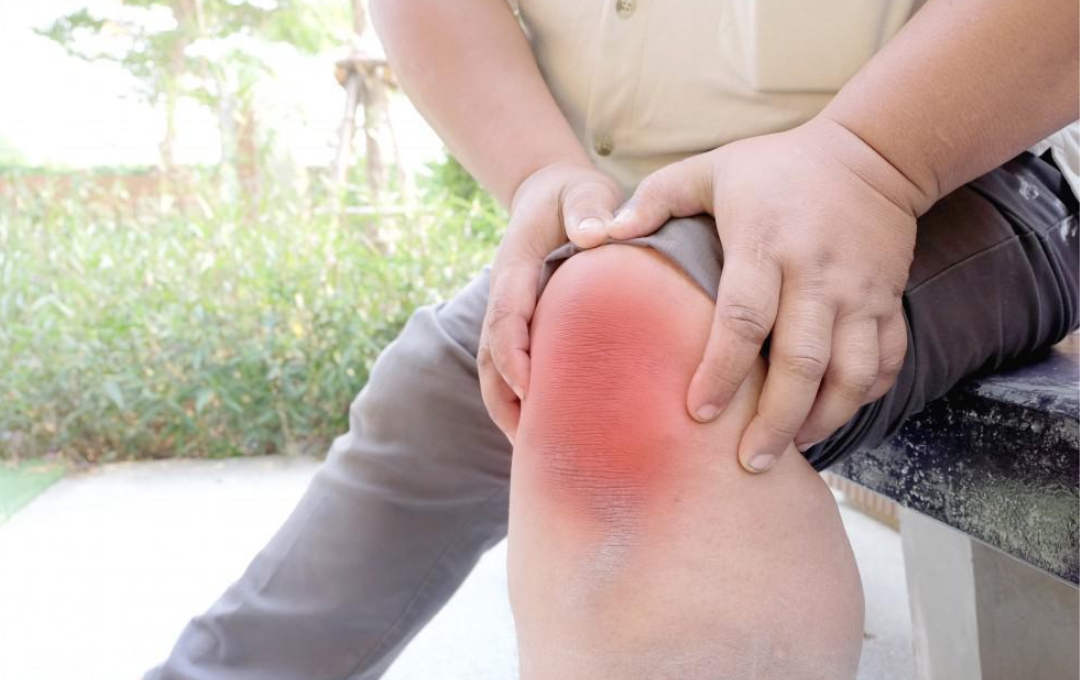
Amisha Dave a 48-year-old bank employee from Mumbai was shocked at what her doctor revealed after her X-ray results. She was on the brink of osteoarthritis. Her thoughts went back to a few weeks when she had started experiencing sudden pain in her knees that wouldn’t go away and worsened when she folded her legs or squatted. The doctor further said that the condition could be hereditary and could be managed effectively with a few practices namely exercise and weight reduction.
For Amisha, this was a wake-up call.
Obesity, a global epidemic affecting millions, has far-reaching consequences on one’s health. Among the many organs and systems in the body that are adversely affected by excess weight, the knees stand out as a major casualty. These crucial joints, tasked with the Herculean job of supporting our entire body weight, bear the brunt of obesity’s onslaught. Let’s look into the intricate relationship between obesity and knee health, exploring how excess pounds can lead to chronic pain, disabilities, and a decreased quality of life.
The Mechanics of the Knee
To understand how obesity affects knees, we must first appreciate the complex machinery that is the human knee joint. The knee is the largest joint in the body, comprising the femur (thigh bone), tibia (shin bone), and patella (kneecap). A network of ligaments, tendons, cartilage, and muscles holds it together, allowing for smooth and pain-free movement.
Weight Distribution: Balancing Act
The knee’s primary function is to bear and distribute the body’s weighty impact. In a healthy, well-balanced individual, the knee joint distributes this load evenly, minimizing wear and tear. However, obesity upends this equilibrium. Excess weight places an extraordinary burden on the knees, often exceeding their natural capacity. This imbalance sets the stage for several knee-related problems.
Osteoarthritis
Obesity is a significant risk factor for osteoarthritis, a degenerative joint disease that causes the cartilage in the knee to break down over time. When the cartilage deteriorates, bones rub against each other, leading to pain, stiffness, and decreased mobility. Studies have shown that every extra pound of body weight adds about four pounds of pressure to the knees, exacerbating the wear and tear.
Inflammation
Obesity is associated with chronic low-grade inflammation throughout the body. This inflammation can affect the synovium, the lining of the knee joint, causing it to produce excess fluid. This, in turn, can lead to swelling and pain in the knee, making mobility even more challenging.
Compromised Ligaments and Tendons
Carrying excess weight puts immense strain on the ligaments and tendons that support the knee joint. This can lead to injuries, such as tears in the anterior cruciate ligament (ACL), which often require surgical intervention and lengthy rehabilitation.
Gait Alterations
Obesity often results in altered gait patterns. Individuals with obesity may walk with a wider stance, and their knees may rotate inward or outward excessively. These abnormal gait patterns can lead to uneven wear and tear on the knee joints, further exacerbating the risk of osteoarthritis.
Management and Prevention
The good news is that the relationship between obesity and knee health is not a one-way street. By addressing obesity, individuals can significantly reduce their risk of knee problems and even alleviate existing knee pain.
Weight Loss
Losing even a modest amount of weight can have a profound impact on knee health. Every pound shed reduces the load on the knees, decreasing the risk of osteoarthritis and improving overall joint function. A combination of a balanced diet and regular physical activity tailored to an individual’s abilities is key to effective weight management.
Exercise
Low-impact exercises, such as swimming and cycling, can help strengthen the muscles around the knee joint, providing added support and stability. Physical therapy can be particularly beneficial for individuals with obesity and knee pain, helping them regain strength and mobility.
Surgical Intervention
In severe cases of knee damage, surgical options like knee replacement surgery may be necessary. However, it’s essential to understand that surgical outcomes are generally better when the patient is at a healthier weight.
Obesity’s impact on the knees is profound and far-reaching. From osteoarthritis to chronic inflammation, the burden of excess weight can significantly impair knee health. The good news is that individuals can take proactive steps to mitigate these risks, primarily through weight management, exercise, and proper medical care.
Understanding the relationship between obesity and knee health underscores the importance of a holistic approach to health and wellness. By addressing obesity and its associated risks, individuals can embark on a journey towards healthier knees and an improved quality of life. The knees, after all, bear the weight of our aspirations and adventures – it’s only fair that we take care of them.