


Renowned spiritual leader Sadhguru Jaggi Vasudev is in the news again. This time for another reason. He recently underwent an urgent brain surgery to address bleeding within the skull. Despite suffering from severe headaches, Sadhguru continued with his normal routine before following Dr Vinit Suri, advice to go for a CT scan that revealed brain swelling.
The spiritual guru is said to be recovering steadily.
Brain surgery, often a necessity to address various neurological conditions, marks the beginning of a challenging journey for patients. While the surgery itself aims to alleviate the underlying issue, the process doesn’t end there. The journey towards recovery demands comprehensive care, including neuro rehabilitation. This essential component plays a pivotal role in restoring functionality, enhancing quality of life, and fostering resilience in individuals post-brain surgery.
Understanding Neuro Rehabilitation
Neurorehabilitation encompasses a spectrum of therapies and interventions designed to facilitate recovery and adaptation following neurological injuries or surgeries. In the context of brain surgery, its significance cannot be overstated. This specialized form of rehabilitation targets the intricate neural pathways affected by surgery, aiming to optimize cognitive, motor, and sensory functions.
Importance of Neuro Rehabilitation After Brain Surgery
Restoring Functionality:
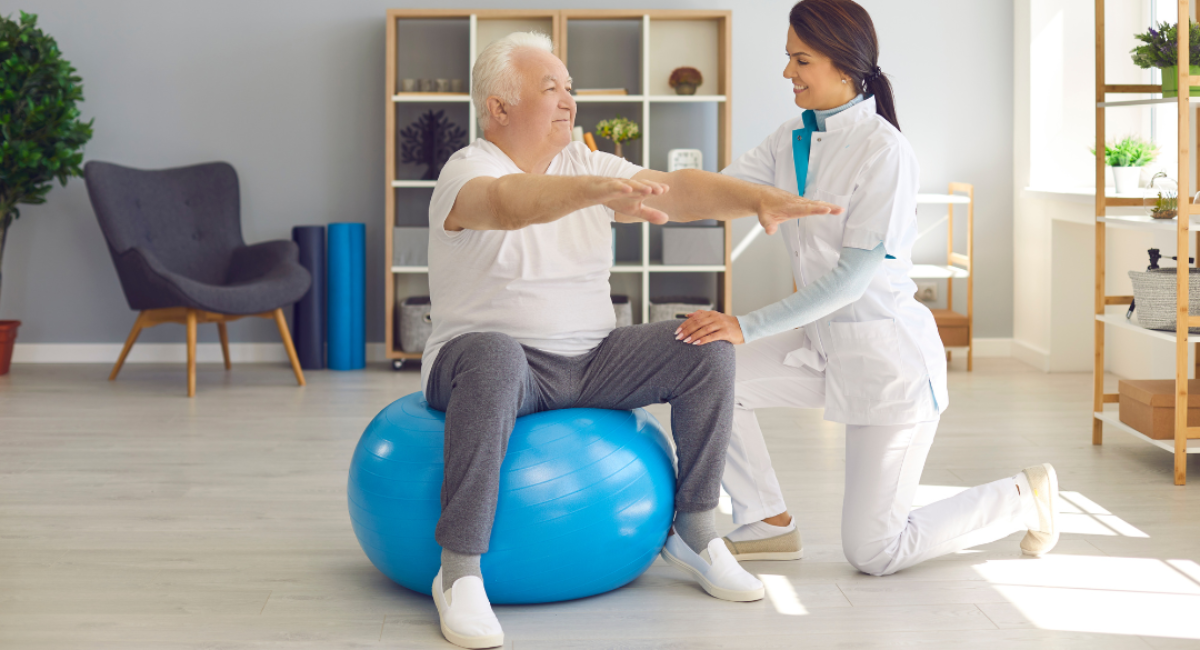
Brain surgery can disrupt various neurological functions, leading to impairments in movement, sensation, cognition, and speech. Neurorehabilitation interventions such as physical therapy, occupational therapy, and speech therapy are tailored to address these specific deficits. Through targeted exercises, adaptive strategies, and assistive devices, patients can gradually regain lost functions and achieve greater independence in daily activities.
Preventing Complications:
Post-surgical complications such as muscle weakness, joint stiffness, and pressure ulcers are common among individuals undergoing brain surgery. Neurorehabilitation interventions focus on preventing and managing these complications through mobility exercises, positioning techniques, and skin care protocols. By addressing these challenges early on, the risk of secondary complications is minimized, promoting a smoother recovery trajectory.
Enhancing Neuroplasticity:
Neuroplasticity, the brain’s remarkable ability to reorganize and adapt following injury, is a cornerstone of neurorehabilitation. Through targeted interventions and repetitive practice, neurorehabilitation harnesses neuroplasticity to promote functional recovery. By engaging in tasks that challenge the brain’s adaptive capacity, patients can forge new neural connections, compensate for deficits, and maximize their potential for improvement over time.
Optimizing Cognitive Function:
Cognitive deficits such as memory impairment, attentional difficulties, and executive dysfunction are common sequelae of brain surgery. Cognitive rehabilitation, a core component of neuro rehabilitation, employs various techniques to address these challenges. From memory exercises and attention training to problem-solving strategies and compensatory techniques, cognitive rehabilitation aims to optimize cognitive function and facilitate meaningful participation in daily life activities.
Supporting Emotional Well-being:
Coping with the aftermath of brain surgery can be emotionally taxing for patients and their families. Neurorehabilitation provides not only physical but also emotional support throughout the recovery process. Therapeutic interventions, counseling services, and peer support groups offer avenues for processing emotions, fostering resilience, and promoting psychological well-being. By addressing the psychosocial dimensions of recovery, neuro rehabilitation contributes to holistic healing and adjustment to life post-surgery.
Neuro Rehabilitation is a cornerstone of recovery following brain surgery, offering a comprehensive approach to address the multifaceted challenges encountered by patients. From restoring functionality and preventing complications to enhancing neuroplasticity and optimizing cognitive function, its benefits are manifold. By nurturing recovery and resilience, neuro rehabilitation empowers individuals to navigate the journey post-brain surgery with greater confidence and quality of life. As advancements in neuroscience and rehabilitation continue to evolve, the future holds promise for further enhancing the efficacy and accessibility of neuro rehabilitation interventions, ultimately enriching the lives of countless individuals worldwide.