


Every 40 seconds, someone in the United States suffers a stroke, according to the American Stroke Association. This alarming statistic underscores the urgency of understanding physiotherapy rehabilitation and the pivotal role of physiotherapy in aiding stroke survivors on their journey to recovery. A stroke rehabilitation, often referred to as a “brain attack,” occurs when blood flow to the brain is disrupted, leading to a cascade of neurological deficits. However, amidst the challenges, physiotherapy emerges as a beacon of hope, offering a path toward restoring function, independence, and quality of life for stroke survivors.
Understanding Stroke Rehabilitation
Stroke rehabilitation encompasses a multidisciplinary approach aimed at helping individuals regain lost abilities and adapt to new challenges following a stroke. While the specific rehabilitation plan varies for each patient based on factors such as the severity and location of the stroke, physiotherapy remains a cornerstone of the rehabilitation process.
Physiotherapy in Stroke Rehabilitation: A Multifaceted Approach
Physiotherapy, also known as physical therapy, is a cornerstone of stroke rehabilitation, focusing on restoring movement and function through a comprehensive approach that includes:
1. Tailored Exercises
Physiotherapists design personalized exercise regimens to address specific deficits resulting from stroke.
Exercises are tailored to the individual needs, considering factors such as the severity and location of the stroke, as well as the patient’s goals.
Physiotherapy stimulates neuroplasticity by systematically repeating and progressively challenging these exercises, facilitating the brain’s ability to reorganize and adapt.
2. Manual Therapy Techniques
Physiotherapists utilize various manual techniques to address musculoskeletal impairments common in stroke survivors.
Techniques may include joint mobilization, soft tissue manipulation, and stretching exercises.
Manual therapy aims to improve flexibility, reduce muscle stiffness, and restore range of motion, optimizing functional outcomes.
3. Patient Education
Physiotherapists play a crucial role in educating patients and their caregivers about stroke-related impairments and management strategies.
Patients gain a deeper understanding of their condition, empowering them to participate actively in their recovery.
Caregivers receive guidance on supporting their loved ones during rehabilitation, fostering collaboration and holistic care.
4. Addressing Common Impairments
Physiotherapists work closely with patients to address a range of impairments commonly observed after stroke, including:
- Muscle weakness: Through targeted exercises, physiotherapy helps rebuild strength and improve motor function.
- Spasticity: Manual therapy techniques and stretching exercises reduce muscle stiffness and improve flexibility.
- Balance disturbances: Balance exercises and functional activities help restore stability and confidence in mobility.
- Loss of coordination: Coordination exercises and task-specific training aid in relearning coordinated movements.
In the challenging landscape of stroke rehabilitation, physiotherapists demonstrate compassion, expertise, and unwavering dedication. Through the synergy of tailored exercises, manual therapy, and patient education, physiotherapy emerges as a beacon of hope, guiding stroke survivors toward recovery and renewed independence.
The Benefits of Physiotherapy Rehabilitation
1. Restoring Motor Function
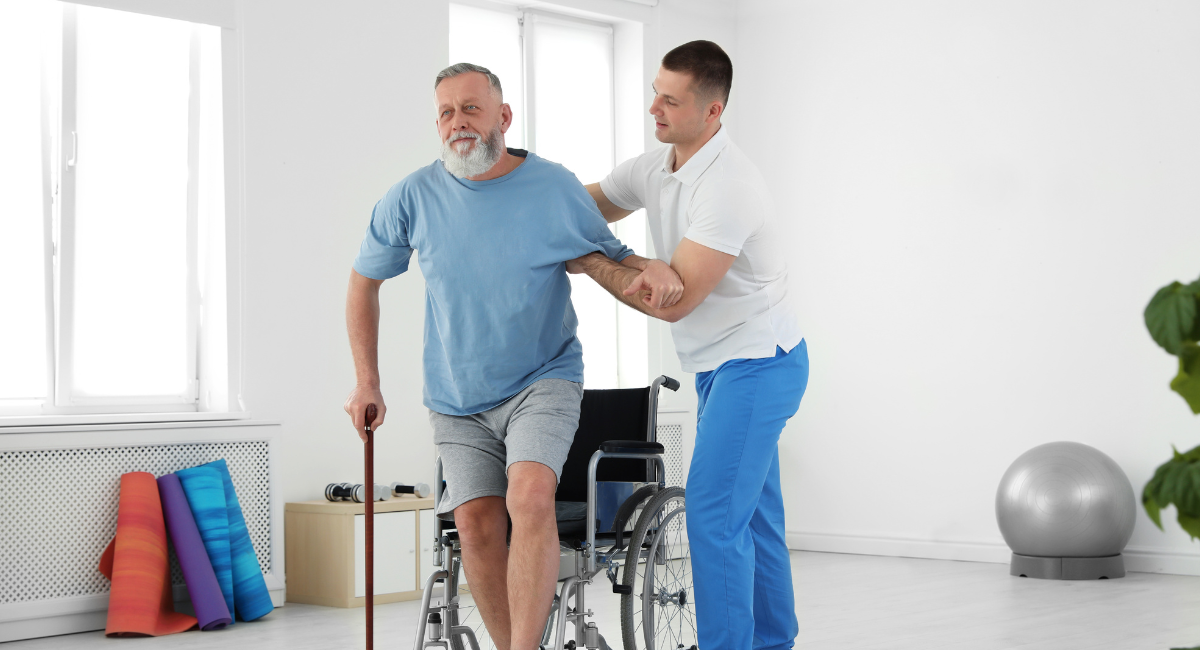
One of the primary goals of physiotherapy rehabilitation for stroke patients is to restore motor function. Through targeted exercises and repetitive practice, physiotherapists help stroke survivors relearn essential movements such as walking, reaching, and grasping. Physiotherapy facilitates recovery and improves motor control over time by stimulating neuroplasticity – the brain’s ability to reorganize and form new neural connections.
2. Enhancing Mobility and Balance
Mobility and balance are often significantly compromised following a stroke, leading to an increased risk of falls and reduced independence. Physiotherapy interventions, including gait training, balance exercises, and functional activities, help stroke survivors regain confidence in their mobility and reduce the fear of falling. With consistent effort and guidance from physiotherapists, patients can achieve improved balance and mobility, allowing them to navigate their environment easily.
3. Managing Spasticity and Muscle Tone
Spasticity, characterized by involuntary muscle stiffness and contractions, is a common complication of stroke that can interfere with movement and functional abilities. Physiotherapy techniques such as stretching, range of motion exercises, and positioning strategies are instrumental in managing spasticity and optimizing muscle tone. By addressing these issues early in rehabilitation, physiotherapists help minimize discomfort and promote functional recovery.
4. Preventing Secondary Complications
Stroke survivors are susceptible to various secondary complications, including muscle contractures, pressure ulcers, and cardiovascular deconditioning. Physiotherapy is crucial in mitigating these risks through passive range of motion exercises, skin care education, and cardiovascular conditioning activities. By proactively addressing these issues, physiotherapists help prevent secondary complications and promote overall well-being.
5. Improving Quality of Life
Beyond the physical benefits, physiotherapy rehabilitation significantly impacts the overall quality of life for stroke survivors. By regaining independence in activities of daily living, such as dressing, grooming, and bathing, patients experience a renewed sense of confidence and self-efficacy. Additionally, the supportive environment provided by physiotherapists fosters emotional resilience and facilitates adjustment to life after stroke, promoting a holistic approach to recovery.
The Role of Technology in Stroke Rehabilitation
In recent years, technological advancements have revolutionized stroke rehabilitation, expanding the possibilities for recovery and improving outcomes. Innovations like robotic exoskeletons, virtual reality systems, and motion capture technology offer new avenues for delivering targeted and engaging physiotherapy interventions. These technologies enhance the effectiveness of rehabilitation and empower stroke survivors to take an active role in their recovery journey.
Conclusion
Stroke is a life-altering event that presents immense challenges for individuals and their families. However, through the dedicated efforts of physiotherapists and the transformative power of rehabilitation, stroke survivors can reclaim their lives and rediscover hope. Physiotherapy rehabilitation offers a comprehensive approach to addressing the physical, emotional, and functional aspects of stroke recovery, paving the way for improved outcomes and a brighter future. As we continue to advance our understanding and techniques in stroke rehabilitation, let us reaffirm our commitment to supporting and empowering stroke survivors on their path to recovery.