



Come winter and we love to cosy up under warm blankets giving that morning walk or the gym a cold shoulder. As we trade the dumbbells and yoga mats for longer sleep hours, more indoor time, and inactivity, our body takes the brunt.
It hence comes as no wonder that multiple people experience stiff joints, dry skin, and seasonal fatigue in the colder months.
While there are many ways to deal with these ailments, we suggest a dip in the pool. It’s what many experts would agree to.
Hydrotherapy also known as water therapy leverages the healing properties of water such as its temperature, buoyancy, and resistance. This practice originated in ancient society and is to date applied by physicians and therapists in the treatment of chronic pain conditions, stiff joints, and fatigue making it a very lucrative and warm way to heal ailments in winter.
The Benefits of Hydrotherapy in Winter
- Relief from joint stiffness and pain- Joint pain and stiffness can be very uncomfortable in winter, especially for people with arthritis. Hydrotherapy can be a boon. Immersion in warm water can relax the muscles, enhance blood circulation, and help decrease inflammation in the joints hence providing immense relief from pain and facilitating mobility.
- Immunity Boost- The therapy uses alternative temperatures and helps to boost blood circulation throughout the body. More blood flow means more oxygen and nutrients to tissues to different parts of the body and draining out the toxins from them. This process helps build the immunity of a person and helps them fight prevalent infections in winter like colds and flu.
- Mood enhancement- Warm water releases endorphins which are great mood elevators. They promote stress reduction and overall relaxation in the body. This helps in dealing with fatigue and feelings of sadness that are common during winter.
- Better sleep- Pain can hamper sleep. Hydrotherapy can help. It helps the muscles relax and helps people calm down making falling asleep easier for them. Sound sleep means more effective pain management.
How to Include Hydrotherapy During Winter
- Take warm water baths. Still, better, add Epsom salt to the bath water to soothe sore muscles to reduce inflammation and pain.
- Soaking in a hot tub increases the buoyancy in the body and helps in reducing muscle pain.
- Swimming or doing aerobics in water also decreases the impact on the joints and helps reduce pain while giving the body the necessary workout.
- Alternative hot and cold water therapy as stated earlier is great for improving blood circulation and helps the body enhance its immunity.
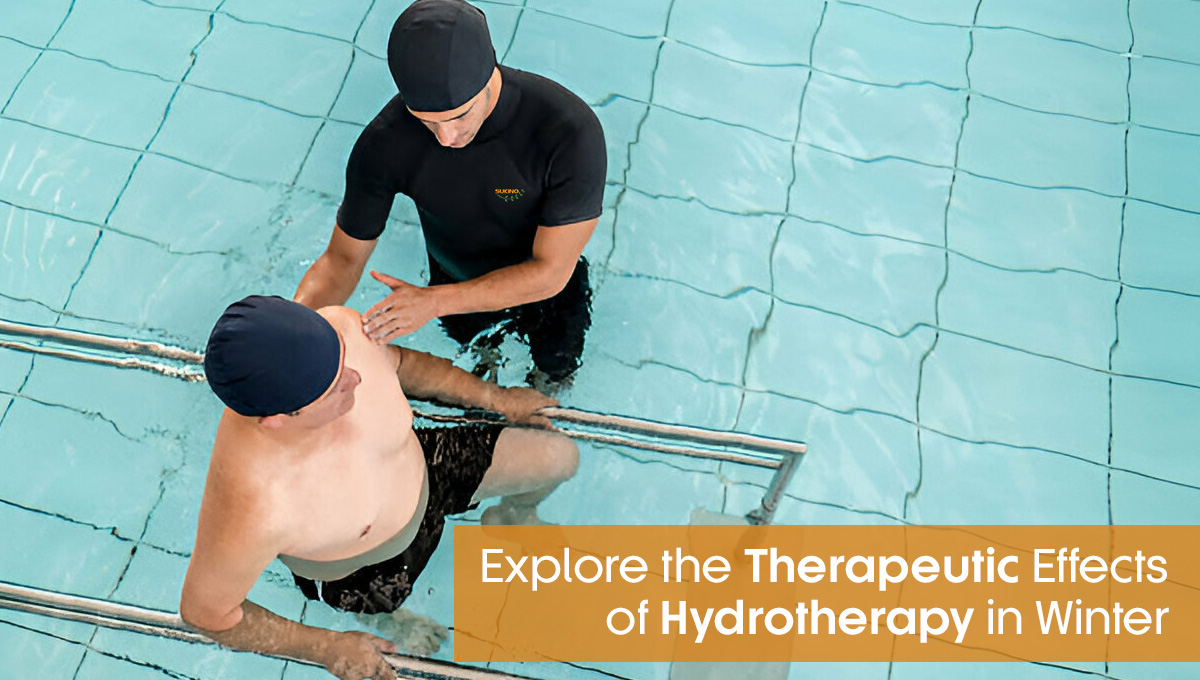
- Professional hydrotherapy is gaining popularity. It involves doing water exercises at a controlled temperature under the guidance of skilled therapists who help target specific health conditions.
What to Keep in Mind During Hydrotherapy
Like all other therapies hydrotherapy also needs caution and adherence to instructions from doctors and therapists.
The doctor must be consulted before beginning hydrotherapy and they must be informed about any existing medical conditions.
It is important to stay hydrated during the therapy as it can cause dehydration in some people. Hence it is advisable to drink plenty of liquids. Last but not least it is always recommended to listen to the body. The body sends signals if the therapy is not benefitting the body and is causing some disruption. Hence the therapy should be discontinued if there are signs of pain or discomfort.
Contrary to the belief, hydrotherapy in winter can be a very effective way to manage joint pain, dry skin, and feelings of gloom and lethargy. Try soaking in some warm water this winter and let its warmth help you heal better.