


Polytrauma Recovery is a demanding process, marked by several difficult phases that patients must navigate. Polytrauma patients entering specialized multidisciplinary care come from various causes that result from vehicle crashes along with falls and combat-related trauma. The path to recovery encompasses physical, psychological, and emotional healing, each presenting its own set of challenges.
Understanding Polytrauma
A polytrauma consists of two major injuries with potential consequences affecting different parts of the body, including bones, organs, or the brain and spine. Patients who receive multiple serious injuries develop both fractured bones along with traumatic brain injuries and spinal cord damage and internal bleeding, and psychological trauma. Multiple serious injuries lead to successive medical challenges that need organized healing approaches.
Immediate Challenges in Polytrauma Recovery
Medical Stabilization:
Prior to any medical intervention, doctors must first stabilize the patient while treating potentially dangerous injuries. Medical personnel need to conduct surgery while healthcare professionals provide intensive care along with continuous monitoring.
All professionals who handle multisystem trauma injuries require coordinated assistance from trauma surgeons along with orthopedic specialists and neurosurgeons, and additional healthcare workers.
Pain Management:
Every patient needs customized pain management treatment because they encounter acute and chronic pain symptoms.
Patients receive treatment through medication therapy alongside physical exercises and additional pain management methods such as acupuncture.
Infection and Complications:
Organ failure, together with blood clots and infectious diseases, create a major danger during this phase.
Preventative healthcare and steady observation are essential for decreasing complicated medical outcomes.
Mental Health Support:
Psychological trauma affects most patients who experience it, leading to symptoms of post-traumatic stress disorder (PTSD) in addition to depression and anxiety.
Patients who seek mental health support at an early stage receive emotional care along with strategies to handle their emotions.
Rehabilitation After Polytrauma
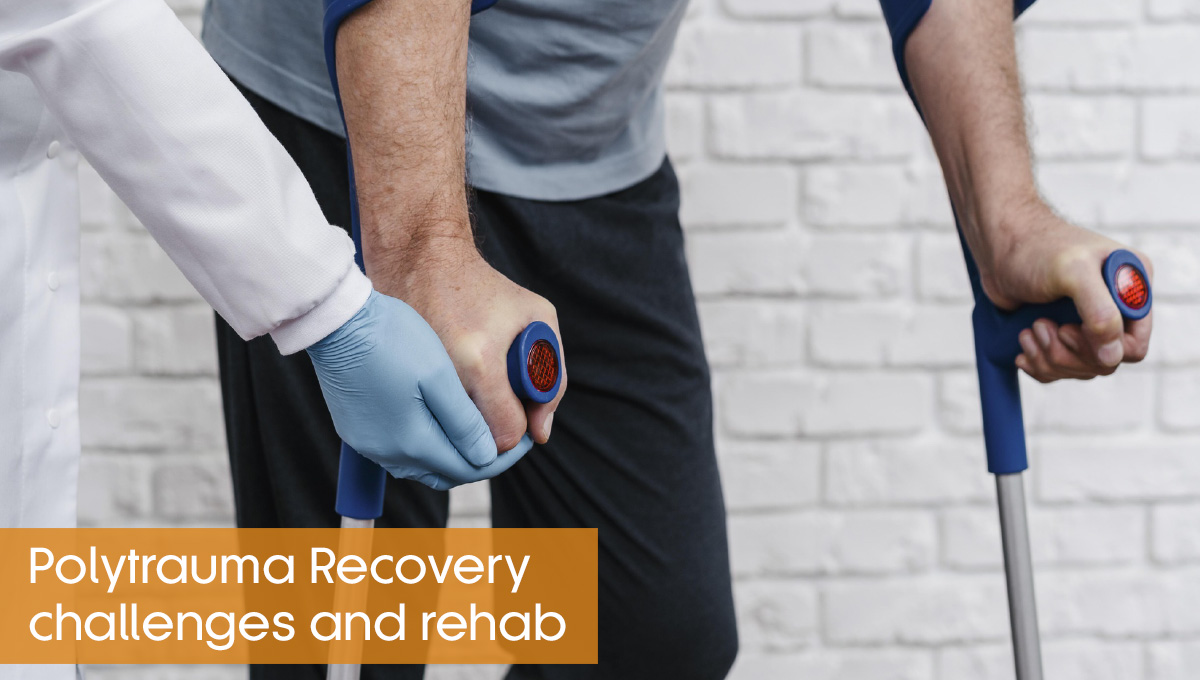
Medical stability becomes the signal for rehabilitation to start. The complete needs of polytrauma patients require a thorough interdisciplinary treatment method. The rehabilitation process often includes:
Physical Rehabilitation:
Physical therapists establish specific treatment regimens to improve functional mobility and strengthen patients, along with reestablishing their motion control abilities.
Prosthetics and wheelchairs, together with braces, form assistive devices that patients might need to use.
Occupational Therapy:
Through treatment, occupational therapists teach patients to perform essential personal life activities, including dressing and cooking, and bathing.
The healthcare team may prescribe both adaptive equipment alongside home modifications for patients.
Cognitive and Speech Therapy:
Cognitive rehabilitation should be the focus when treating patients who have suffered traumatic brain injury (TBI) for rebuilding their memory and problem-solving abilities, and communication functions.
A therapist who specializes in speech helps patients manage both language and swallowing disorders.
Psychological Counseling:
Through counseling and psychotherapy services, patients obtain emotional assistance alongside coping strategies.
The support that patients receive comes from participating in group therapy sessions with additional peer connection services.
Nutritional Support:
The healing process for tissues and maintenance of energy, together with total recovery, depends on proper nutrition.
Dietitians design meals based on the specific requirements of each patient.
Family and Caregiver Involvement
The process of polytrauma recovery needs family members and caregivers to participate actively. Their participation offers beneficial emotional backing along with practical help and defensive protection for the patient’s needs. Educational programs directed at caregivers serve to teach essential abilities needed for assisting patients throughout rehabilitation.
The path of polytrauma recovery brings immense difficulties, yet appropriate assistance together with thorough rehabilitation programs, along with attentive support circles, enables people to restore their existence. Both physical and psychological recovery elements need attention through patient-centered care to achieve improved quality of life as well as resilience in individuals. The human spirit demonstrates exceptional healing capabilities through combined commitment with staff members in their path toward recovery after trauma.