


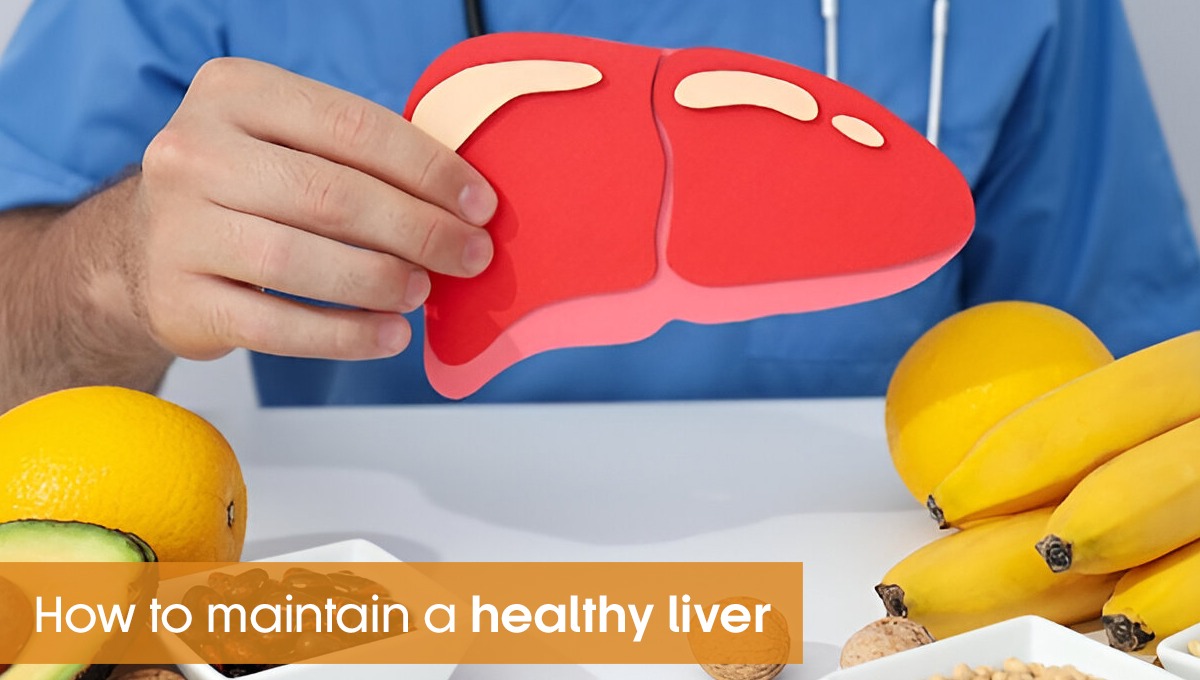
The liver stands as a fundamental body organ that people rarely notice when they focus on health issues in their body, yet it’s crucial to maintain a healthy liver for overall wellness. The liver functions vigorously to accomplish more than 500 critical processes that consist of blood toxin filtering, digestion assistance, as well as nutrient storage and hormone regulation. A thriving and long-lasting life depends on proper maintenance of liver health because of its essential role in wellness. It’s important to maintain a healthy liver to ensure these vital functions continue smoothly and to support overall well-being.
Let’s investigate liver organ health significance along with identification of warning signs while presenting everyday strategies to protect this vital organ.
Why Is the Liver So Important?
Your body depends on the liver to act as its main detoxification system. These are the primary duties that the liver regularly performs:
- During the digestive process, the liver removes impurities from the blood before distributing it elsewhere in the body.
- The liver functions as a chemical cleanser that breaks down medications together with alcohol products.
- The organ generates bile that enables the digestion of fats in the stomach.
- The liver functions as a storage facility for vitamins and minerals including iron and copper along with its ability to release glucose during specific requirements.
- It regulates cholesterol and hormones.
- The body utilizes this organ to decompose aged red blood cells while regenerating components of the cells.
Signs of an unhealthy liver
A liver requiring support frequently sets off particular warning clues that people need to be aware of.
Many liver conditions start without noticeable symptoms before showing their presence later. However, certain warning symptoms can emerge in the early stages.
- Constant fatigue or low energy.
- The appearance of yellow discoloration in your skin combined with yellowing of the eyes (jaundice).
- Abdominal pain or swelling.
- Nausea or loss of appetite.
- Dark urine or pale stool.
- Easy bruising.
- Itchy skin.
You should see a healthcare provider whenever you experience these warning signs on more than one occasion.
Essential Habits to Maintain a Healthy Liver
The regenerative power of your liver ensures it can heal itself. The following effective research-backed methods serve to guard and sustain your liver health.
Eat a Liver-Friendly Diet
The base element of maintaining healthy liver functions is proper nutrition.
Focus on:
Fiber-Rich Foods
Your liver optimally functions by processing fats from whole grains and fruits, as well as vegetables.
Healthy Fats
You should choose fat sources like avocados, nuts, seeds and olive oil. The liver cells benefit from these elements because they fight inflammation while helping the liver heal itself.
Antioxidant-Rich Foods
The liver experiences reduced oxidative stress through consumption of berries and leafy greens in addition to turmeric and green tea and beets.
Hydration
Your liver together with other organs works optimally when you consume enough water since it removes toxic substances from your body.
You should restrict your intake of processed foods together with added sugars.
Non-alcoholic fatty liver disease (NAFLD) develops as these foods trigger fat accumulation in the liver tissue.
Maintain a Healthy Weight
The development of NAFLD becomes more likely when someone is overweight since the liver accumulates excess fat, even when the person doesn’t drink alcohol. Exercising routinely alongside portion control and a balanced diet allows people to sustain a healthy weight while decreasing liver stress.
Be Mindful of Alcohol
Extreme drinking patterns can hurt the liver cells while creating inflammation, which progresses to fatty liver hepatitis as well as cirrhosis.
It is important to follow the recommended alcohol consumption limits, which permit women to drink 1 portion daily and men up to 2 portions daily. Make it a habit to avoid alcohol consumption for several days per week. Social gatherings should offer either herbal teas or sparkling water instead of alcoholic beverages.
Stay Active
Physical exercise works to decrease liver fat and enhance insulin responsiveness while requiring no actual weight loss. Aim for brisk walking and swimming, alongside other moderate aerobic exercises, for 150 minutes each week. Physical exercise, which includes strength training, helps maintain good metabolic health.
Medication Management
Tread carefully with medications and supplements.
Excessive use of acetaminophen (paracetamol) and similar over-the-counter medications causes liver tissue damage. Certain herbal supplements become dangerous to the liver when taken in high amounts. Follow dosage instructions carefully. Avoid mixing alcohol and medication.
Get Vaccinated
The medical community recommends receiving hepatitis A and B vaccination presently available for these diseases. Simple immunizations exist to protect individuals from these two viruses that cause dangerous liver illnesses.
Avoid Toxins
The exposure to dangerous chemicals in cleaning supplies, as well as pesticides and personal care chemicals, should remain limited. Neutralization duties of the liver function become less demanding when people decrease their contact with harmful substances in their environment. Natural, eco-friendly cleaning solutions should be used to maintain cleanliness. Gloves should be worn when handling chemicals. Aerosol users should maintain ventilation in their environment to prevent health risks.
Practice Safe Hygiene and Habits
Hepatitis viruses, along with additional viruses, spread between people through foods, liquids, or human body fluids that have become infected. Safe practices include proper hand cleaning using water happens both before meals and after restroom breaks. Avoiding sharing razors or toothbrushes, and using barrier protection during sex.
Get Regular Health Check-Ups
Long before any signs manifest, liver function tests provide evidence about potential abnormalities. Regular screening is vital for people who have any of the risk factors such as obesity, diabetes, or liver disease history in their family.
The liver performs multitudinous tasks to support bodily operations. Taking care of your liver becomes possible by making conscious dietary decisions, avoiding physical inactivity, together with stress and environmental awareness, which will yield better health and energy levels. Small actions you take today will develop into substantial changes with time and add quality years to your life.