

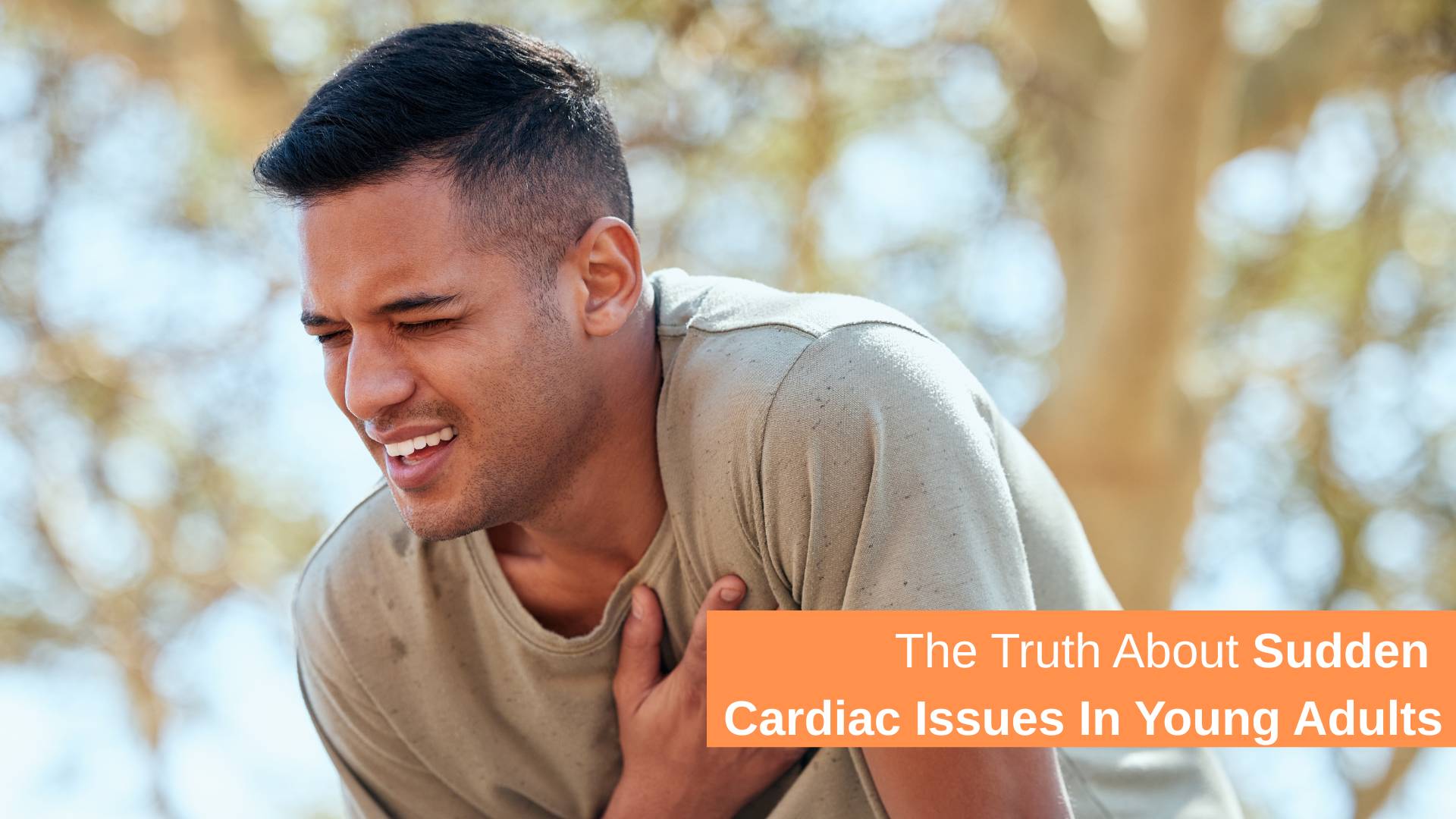
Let it be cardiac issues in young adults — the silent threat is claiming lives when least expected. Akshay was at home in South Bengaluru when he suddenly collapsed. When his family rushed him to the hospital, he was declared dead.
Harish, another resident of Chikanahalli in Bengaluru, experienced sudden chest pain and passed away in the hospital due to a cardiac arrest.
Manjiya Naik in Davangere passed away due to a heart attack while driving his auto rickshaw.
Why are we listing these that appear to be regular cardiac issues cases?
The deceased individuals were 22, 56, and 38 years old, respectively, and had no history of heart problems.
If we have your attention, this is what some of the senior cardiac specialists have to say. According to them, many young adults are being diagnosed with Acute Coronary Syndrome(sudden heart attack), and the majority(almost 50%) of patients who have visited the hospitals are between the age group of 40 to 50 years, indicating a huge health crisis that may be looming over our society.
The situation calls for a detailed investigation of the risk factors and protective strategies and measures to be taken, especially in the Indian context, where this demographic seems to be at a major risk.
We did a little bit of digging from our side, and here are our consolidated findings that may help you save your and your loved ones’ hearts before it is too late.
The Covid-Heart Connection
According to doctors, multiple complications have been reported amongst patients after COVID-19 recovery, and cardiac issues in young adults are the most common ones. Before the pandemic, acute corona problems were observed in people around the 50s, but now people in their 30s and 40s are being diagnosed with cardiac issues. This finding has solidified the fact that most people who have passed away due to sudden cardiac arrest have at some point in their lives been affected by COVID-19.
The doctors have observed that people around 50 years of age take medications such as Statins, Anti-hypertensives, Aspirin, etc, which protect them from acute coronary artery disease. However, people in their 30s usually don’t consume any such preventive medications and hence are vulnerable to sudden cardiac attacks.
What does COVID do?
COVID-19 infection makes the heart muscle cells die, resulting in shortness of breath and chest pains.
Studies also accuse inflammation in the presence of COVID-19 infection, which activates the immune system of the body. Though the common inflammation results in the formation of inflammatory cells and cytokines that are beneficial to the body, excess inflammation may cause damage to the cardiovascular system in more than one way. It leads to irregular heartbeat(arrhythmia), clots in the blood with a possibility of causing blockage in the blood vessels, heart muscle inflammation(Myocarditis) and inflammation of the membrane around the heart(Pericarditis), and heart failure.
Talking about the COVID-19 vaccine, recent research has determined that the vaccine can hasten Myocarditis and Pericarditis, but as per the British Heart Foundation, the possibility of myocarditis and pericarditis following a COVID-19 vaccine is low.
Yet in opposition to that consideration, an article published at National Library of Medicine (NIH), claims that blood clotting, thrombosis (formation of clots in blood vessels), and increased blood viscosity are clinical issues that may potentially emerge following vaccination against COVID-19 and, once combined with other conditions of the heart, may overload it and lead to severe heart problems.
Hence, cardiologists advise all who have been affected by COVID-19 to undergo a heart examination to rule out any complications and ensure heart health.
Vaping is the new culprit
Introduced as a way to help people quit smoking, vaping has found its way into the lifestyles of many young adults. But here’s the truth. Vaping raises the blood pressure and boosts the heart rate up to 45-minutes post-use of e-cigarettes. The augmented cardiovascular rate and pressure may on its part escalate the vulnerability towards heart attacks and cardiovascular diseases.
Besides, vaping also makes the arteries harder and damages the endothelial cells lining the blood vessels; hence, placing the hearts of young adults at risk.
Vaping can also influence the cholesterol levels as much as traditional smoking does, raising the triglyceride and bad cholesterol levels.
Physicians are urgently encouraging individuals to stop vaping to prevent heart disease as well as to protect the lives of a lot of youthful individuals who have become victims of the pastime.
We cannot help but also mention substance abuse here. Cocaine’s impact on the heart is no mystery. It raises the heart rate just like e-cigarettes do, tightens the blood vessels, and causes elevated levels of blood pressure, straining the heart significantly.
Stress levels and hypertension
Blame it on the fast-paced lives, skewed work-life balance, or the societal norms, the young adults today are facing more pressure to perform, spend, and lead a certain standard of lifestyle. This has caused their stress levels and blood pressure levels to soar. High blood pressure is one of the biggest risk factors for cardiovascular disease, and it is, unfortunately, rising faster in young adults. High blood pressure thickens the muscles of the heart, damages the blood vessels, and increases the risk of heart attacks.
The disrupted lifestyle has led to unhealthy eating habits, which have in turn caused elevated blood sugar levels, obesity, and negatively affect the heart.
High blood sugar damages blood vessels by deposition of fat buildup in the arteries and causes atherosclerosis, while the extra weight burdens the heart, making it work harder and eventually give up.
Change is necessary
While unhealthy habits and lifestyle choices may have been building up for years, the rise in cardiac issues in young adults today is alarming. We may not always pinpoint the exact trigger, but what we can do is act — now. Making the change before it’s too late can give your heart the strength it needs to thrive.
At Sukino, our cardiac rehab program supports your recovery and helps you build a heart-healthy life.