
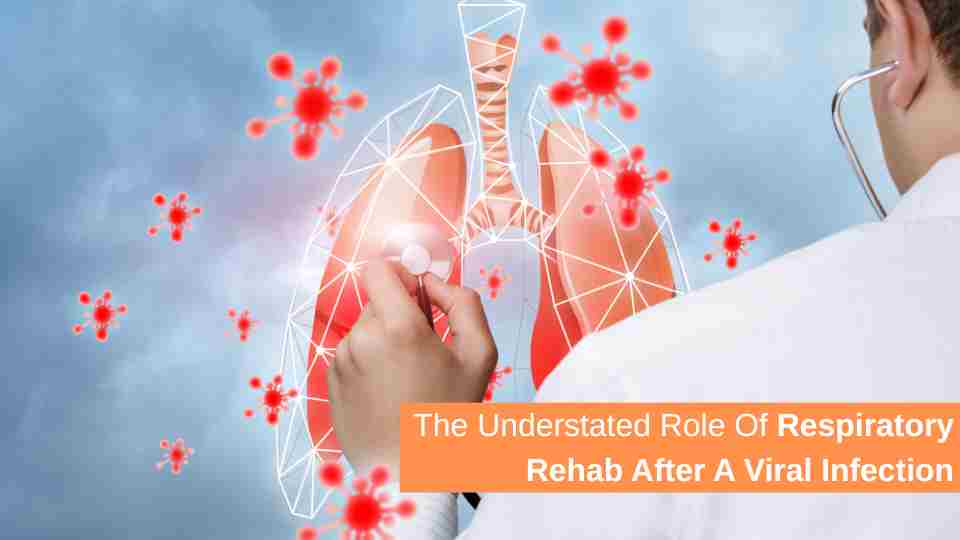
What began as a simple viral infection — just a sore throat and a mild fever — has, for many of us this season, turned into a nagging cough and deeper respiratory distress.
What we initially brushed off is now revealing its true nature: a more stubborn, system-impacting illness that demands attention.
What initially comes to mind when discussing a respiratory virus infection, the most common being COVID-19 or influenza, is rest, medicines, and time. But that is not where it stops as far as many individuals are concerned, especially those whose symptoms range between moderate and severe or with some other underlying health problems. Like any other organ, the lungs also require support to continue their work, and this is where the role of Respiratory Rehabilitation comes in. Although often overlooked, it is the most crucial component of the recovery process.
The secret behind respiratory recovery is more than simply feeling better.
Even after a viral infection subsides, many individuals experience lingering symptoms:
- Shortness of breath during light activity
- Chest tightness
- Persistent cough
- Fatigue
- Low oxygen levels
- Difficulty regaining stamina
The symptoms are not only annoying but can signify impairment of lung capacity, exchange of oxygen, and deconditioning of respiratory muscles. They may cause chronic respiratory dysfunction, in particular, when we pay no attention to them in older adults, with existing lung diseases, or in individuals with prolonged stays in the ICU.
What is respiratory rehabilitation?
Respiratory rehabilitation is a multidisciplinary, medically supervised program used to recover optimum lung capacity. It combines:
- Breathing exercises
- Pulmonary physiotherapy
- Oxygen therapy
- Nutritional guidance
- Psychological support
- Education and self-care training
The goal is not just recovery, but long-term lung health and improved quality of life.
The Post-Viral Lung: Why It Needs Rehab
- The lungs can develop the following symptoms after a viral infection:
- Swelling and scarring (fibrosis)
- Low pulmonary capacity
- Decreased respiratory muscle strength
- Deficient oxygen-carbon dioxide exchange
These effects cannot be fully reversed by just resting or by the use of medications, indicating the need for a more focused and specialized treatment.
Respiratory rehab helps:
- Recondition the lungs to breathe properly
- Strengthen the respiratory muscles
- Decrease breathlessness
- Improve physical stamina and blood circulation
The psychological toll of struggling to breathe, especially after a traumatic viral illness, can be significant. Respiratory rehab also focuses on mental health, offering:
- Anxiety reduction techniques
- Support groups for post-COVID or chronic lung patients
- Counseling for breath-related fears
- Patients often report feeling more confident, more in control, and more hopeful after completing their rehabilitation journey.
Who Can It Help?
Respiratory rehabilitation is not only offered to those patients who have stayed in the hospital. It benefits:
- Individuals recovering from moderate to severe viral infections
- Older people with their lowered stamina after the disease
- Individuals having asthma, COPD, or other persistent forms of lung diseases
- Patients with post-viral fatigue syndrome or Long COVID
- Patients with anxiety or panic attacks of breathlessness
The breathing exercise role
Breathing exercises like pursed lips breathing, diaphragmatic breathing, and expansion of the lungs are significant in increasing the elasticity of the lungs and uptake of oxygen. The above methods, together with mild aerobics, such as walking or sitting exercises, are gentle ways of developing endurance without overstraining the lungs.
There are also many rehab centres which employ aids such as Incentive spirometers, Chest vibration therapy, Steam inhalation, and airway clearance methods so as to open the lungs, break down the mucus, and make breathing easier.
Respiratory Rehab in India
In India, people are constantly exposed to air pollution, chronic respiratory diseases, and inability to access healthcare services easily, and, therefore, post-infection rehab is even more essential. Such services are being increasingly provided by respiratory rehab centers in several cities where multidisciplinary groups of physiotherapists, pulmonologists, and nurses are assisting in filling the gap in post-viral care.
Rehab is not an Optional Step-It is the Step that is missing
Viral respiratory infections do not always go away without raising a fuss. They may leave in their wake a damaged respiratory system that ought to be cared for. Respiratory rehabilitation is not only reserved for the very sick patients, but everyone with respiratory problems wishing to breathe easier, live better, and recover fully.
We should stop thinking of the old-fashioned concept of just resting it out. The healing process is dynamic and not inert, and each breath counts.
At Sukino Healthcare, we are convinced that all patients should have a second chance to be healthy, which starts with each breath. If you or your loved one is recuperating after a respiratory disease, visit us or call to discuss how our respiratory rehabilitation services can help you come back to health.