


What is addiction?
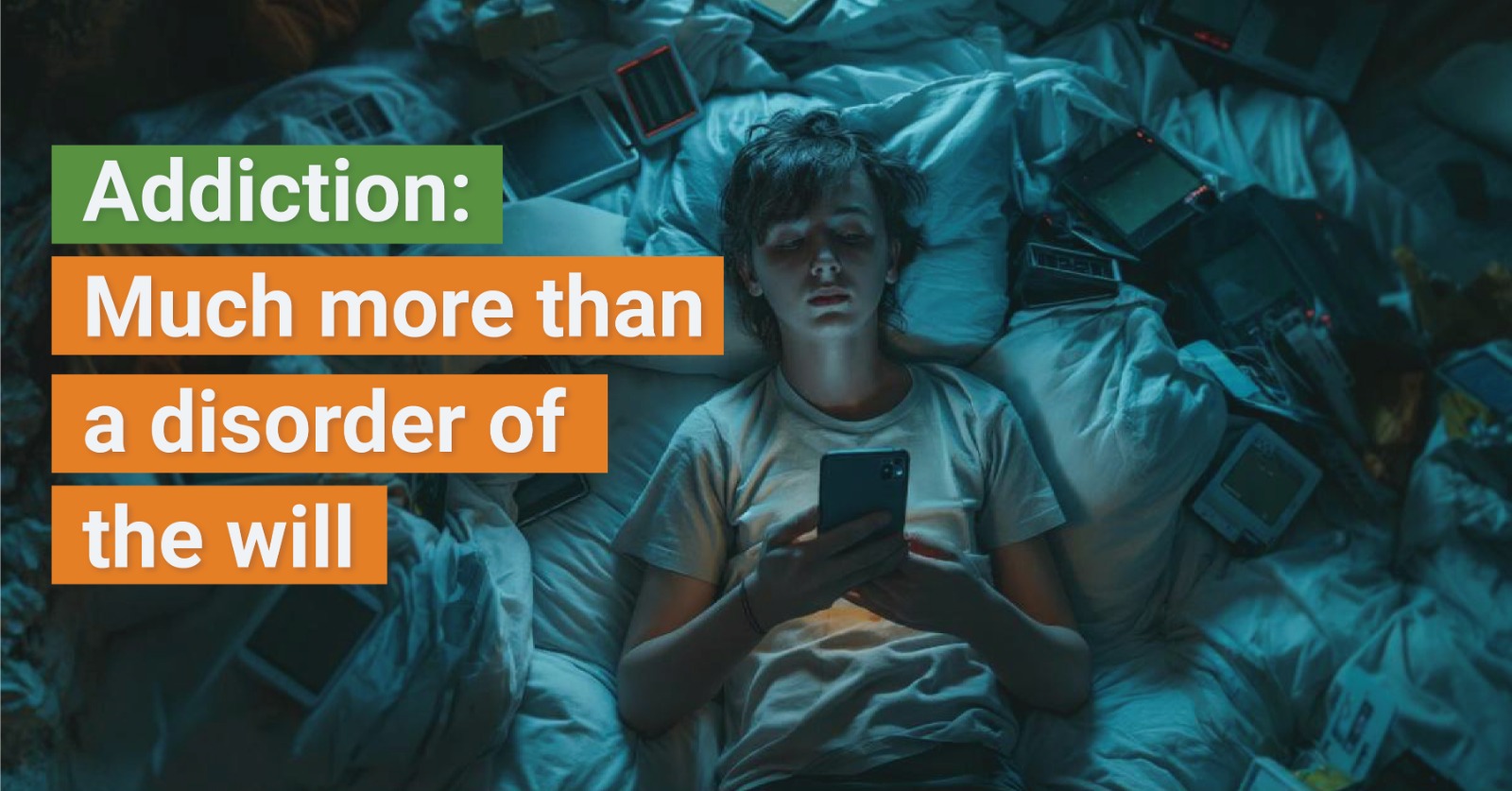
Addiction is an often misunderstood term, and almost always carries a negative connotation with it. Unfortunately, the word “addict” is often thrown around carelessly, with the term being suggestive of someone who is unable to control or regulate their usage of a particular drug or behaviour. It is relegated to mean a lack of self-control (which is not true) . In actuality, addiction is a mental health condition, and a complex one, that causes changes in the brain. It is characterised by three components, simply put :-
1) Craving : A strong desire to use a particular substance or engage in a particular behaviour
2) Loss of control : Difficulty in stopping the usage of a particular drug or engaging in a specific behaviour
3) Withdrawal : Unpleasant physical and psychological symptoms that develop when the individual stops using/engaging in the addictive substance/behaviour
Repeatedly engaging in using a particular substance, or a behaviour leads to long-term changes in the brain. These changes impair the parts of the brain that help in processing reward, motivation, and emotions. Therefore, addiction can have consequences that are not only personal to the individual, but also to their life goals, commitments and loved ones. This condition thus affects our brain in much the same way that diabetes affects our pancreas, or a fracture can affect our bones.
What causes addiction ?
Almost all mental health conditions have no single cause, and addiction is no exception to it. We should think of addiction as occurring through a combination of various factors that results in an increased risk of developing it.
1) Biological : Genetic factors, such as the genes that regulate or control our body’s experience of reward do contribute towards addiction. This also explains why addiction much like any other medical disorder, can run in families. This means that a family history of addiction can potentially increase the risk of addiction in an individual. Furthermore, addiction by itself can causes changes in various brain areas that regulate experiences of reward, motivation and emotion. Intrinsic abnormalities in these brain areas, and changes caused by addiction contribute towards it becoming a potentially dangerous cycle.
2) Psychological : Addiction has been shown to be associated with specific personality traits, if present in a dysfunctional or excessive pattern. Our personality is responsible for the way in which we see ourselves and relate to others, and by itself is highly complex and dynamic. Several personality traits such as impulsivity, novelty seeking, and a disordered sense of self (low self-esteem) can play a contributary role in addiction as a coping strategy to deal with more uncomfortable, difficult and deep seated emotions or traumatic experiences.
3) Social : Both nature and nurture play a role in development of addiction, and we should not under-estimate the latter. Our early child-hood experiences, friends, and peer-groups play an important role in the way in which we view our experiences. Several factors such as difficult life experiences, family discord and peer-pressure play a role in addiction development.
What can be addictive?
As far as addiction is concerned, any substance or behaviour that can create an anticipatory sense of pleasure in our brains, is capable of being addictive. This includes drugs, and various behaviours. Drugs can be of various categories, each with different effects on the brain and body. Furthermore, each has a distinct ability to produce a state of physical and psychological “tolerance,” which is essentially when continued use of a drug can cause the brain to adapt to the addicted state, making it “the new normal” for the individual. When the drug is no longer available or abruptly discontinued, the brain and body rebel, causing uncomfortable mental and physical symptoms (withdrawal symptoms) that make the person want to use the drug again. Apart from the ability of addictive substances to alter different brain chemicals (neurotransmitters) and alter the physiology of the brain and body, they can also have several harmful effects on various organ systems. Common examples of this include the contribution of nicotine in causing heart attacks, stroke and cancer in smokers, chronic liver disease and liver failure in habitual alcohol users. This represents another complication of addiction, and unfortunately in many cases, the individual may present for help in order to treat their addiction whereas the damage to various organ systems caused by the addiction may be too far gone to be reversed.
Similar to drugs, various types of behaviours that produce a sense of anticipatory pleasure in the brain can also be potentially addictive. This can include pornography, sex, gaming, and gambling.
How does addiction present ?
Individuals with addiction have difficulty with controlling or regulating the use of a particular substance, have a strong desire to use the given substance, and tend to develop withdrawal symptoms when the substance use is abruptly discontinued. Therefore, the following represent the various ways in which addiction can present to a clinical setting :-
1) Intoxication and overdose : Uncontrolled usage of a substance can lead to several physical and psychological effects that can act on all body systems, and alter the persons mood, motivation and behaviour. For example, alcohol intoxication can present with slurred speech, dizziness, unsteadiness of gait, vomiting, and sometimes aggression, violence and inappropriate behaviour. Likewise, cocaine intoxication can present with excessive talkativeness, irritability, anger-outbursts, elevated pulse rate and blood pressure. In some cases, excessive intake can even lead to an over-dose, that can result in a constellation of symptoms that can be life-threatening if not treated in time.
2) Withdrawal state : As we discussed above, in the state of addiction, an abrupt stoppage of the addictive substance can lead to various physical and psychological symptoms that can be uncomfortable, and even life-threatening. Often times, the state of withdrawal that results is the polar opposite of the effects produced by the substance. So drugs that depress the central nervous system such as alcohol and opioid drugs, produce a hyper-excitable nervous system whereas stimulant withdrawal does the opposite. We should also note that withdrawal states, just like over-doses can be life-threatening and require emergency management in some cases. This is particularly true for alcohol and other sedative drugs.
3) Precipitation of other mental health disorders : Addiction is often associated with a worsening of, and precipitation of other mental health conditions. Patients who have a pre-existing disorder that is under control with medication, can have a recurrence of the disorder when they continue to use a substance. It is not uncommon for drugs like alcohol and cocaine to precipitate manic episodes or psychosis in patients with severe mental disorders like Bipolar disorder and Schizophrenia. Not to mention, addictive substances can themselves precipitate or induce mental health conditions, like depression, mania, or psychosis.
Recovery is possible
So far, we have now understood that addiction can have several consequences on an individual’s life. Hope can be instilled by knowing it is a treatable condition for which help is available. Understanding its various components above, mental health professionals can provide targeted treatment for this problem. This usually aims at helping the individual completely stopping the substance or troublesome behaviour, providing them with medication (deaddiction treatment) to aid the symptoms that develop in response to stopping the abused substance (withdrawal symptoms), and helping them to cope with current life stressors and difficulties, so that they don’t turn back to the substance as a mechanism to cope. (Relapse prevention).
Help can be provided through a combination of medication and psychological therapies. While dealing with addiction, patients can have variable levels of motivation to stop the substance in question. This is part of the condition, much like an individual with diabetes who is unsure of how much sweets they can consume before they develop high blood sugar. Helping these individuals to develop motivation, educating them about addiction, and exploring what their addiction is helping them cope with, is key to developing self-awareness. It can be a tough battle, but it can certainly be won. At its core, addiction like any other mental health condition, requires empathy.
Key takeaways
Addiction is a mental health condition that is complex, and characterised by a desire to repeatedly use a particular substance or engage in a particular behaviour, with difficulty in controlling or regulating the substance and the development of physically and/or psychologically unpleasant symptoms when the person stops. It is associated with long-term brain changes, and can impact the long-term goals, coping mechanisms and physical health of the individual. Addiction can develop with respect to abusable drugs, or pleasurable behaviours spanning alcohol, cocaine, marijuana, tobacco, sex, gambling and even coffee. There is no single cause for addiction, and it is caused by the interaction of biological, psychological and social factors. It can often be a response to unhealthy emotional states, and self-esteem difficulties as a coping mechanism. The multiple components that entail addiction can certainly liken it to other complex medical disorders such as diabetes or hypertension. Mental health professionals provide treatment that is aimed at helping the patient cope with withdrawal symptoms through medication and psychological therapies, prevent the use from recurring (relapse prevention), and development of alternative strategies to cope with the gaps that the use of the substance appears to fill.