



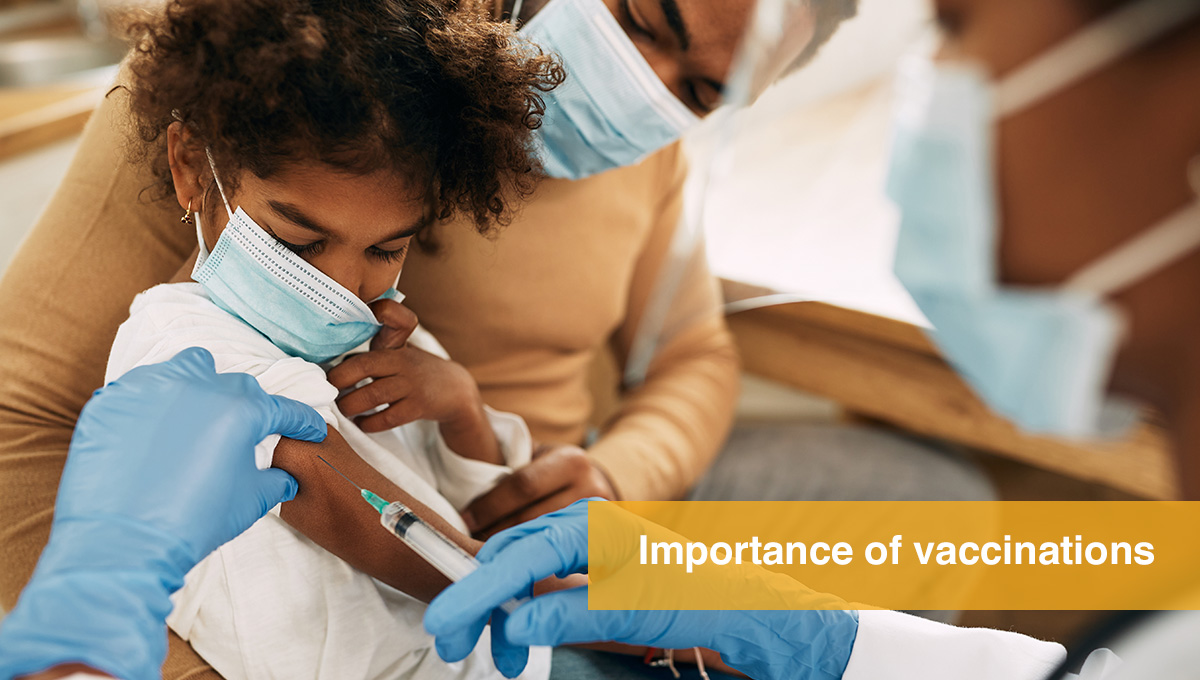
Vaccines are one of the most important discoveries in the medical field that has benefited mankind. They have effectively contributed to managing and eliminating many communicable diseases that are responsible for the deaths of millions of people. For all the clear examples, vaccines remain a disputed subject that people struggle to comprehend and raise questions on the veracity of the medicines. Let’s discuss what vaccines entail, how they are developed, and their overall effects on society.
How Vaccines Work
Vaccines are biological products that help in acquiring immune protection from a particular communicable disease. These preparations usually include an antigen similar to the disease-creating microorganism and are prepared using the attenuated or killed microbes or toxins derived from these microbes or a surface protein thereof. This agent when administered into the body brings about sensitization of the immune system to the microorganism and its capacity to neutralize the microorganism in case of another attack. This process is as if one is trying to offer lessons to the immune system on how to recognize and defeat pathogens without getting affected by the disease in the process.
The Benefits of Vaccination
- Disease Prevention: Immunizations have proven to be very effective in eliminating or substantially controlling instances of severe illness. For instance small pox was eradicated in 1980 after a successful vaccination campaign was carried out internationally. Polio, which used to be a major killer, particularly through paralysis, is almost a rare disease, with only some countries recording the disease.
- Protection for Vulnerable Populations: The other major advantage of vaccines is that they shield people who cannot be vaccinated. This includes newborn infants, pregnant women, and those with compromised immune systems. This is done using Herd Immunity whereby the majority of the population is vaccinated, thus preventing the diffusion of disease and acting as a buffer for those who are more prone to the disease.
- Economic Benefits: Vaccination to prevent disease also lowers the health costs of hospitalization or treatment and future disability care costs. In addition, healthy citizens are productive economically since people afflicted with diseases will not attend work, school, services, or other places.
- Prevention of Antimicrobial Resistance: Vaccines also decrease the use of antibiotics and other drugs and the public health challenge of antimicrobial resistance. Through the negation of infections, the probability of bacteria acquiring drug resistance is hindered by vaccines.
Addressing Vaccine Hesitancy
The reluctance and fear to accept vaccines among the people remains one of the biggest dilemmas in the field of health. This is why these concerns should be met head-on by ensuring that appropriate measures such as proper communication, imparting of information, and involving of the community members are adopted. Here are some strategies to combat vaccine hesitancy:
- Public Education: Countering myths and misconceptions about the vaccine and precise deceptions connected to its effectiveness and safety may be useful. It is therefore important to tackle some of the very basic issues that are often associated with immunization. This holds true for fear that has been associated with immunization for instance autism, which has been scientifically disapproved.
- Engaging Healthcare Providers: The medical practitioners including doctors and nurses together with other healthcare workers all have a major duty to ensure that patients are enlightened on vaccination. We can see the impact which recommendations and reassurance from the people, we trust can influence our decision to take the vaccine.
- Community Outreach: Collaborating with leadership and other organizations may inform the population about vaccination and increase their confidence. Culturally and community-appropriate messages are used so that information can be properly accepted by the intended audience.
The Future of Vaccination
The specialty of vaccinology is dynamic and is still trying to establish more vaccines as well as come up with better models of the existing ones. With regard to future progress, the breakthroughs of novel technologies like mRNA vaccines have been proven to be highly prospective because of the development and application of COVID-19 vaccines. Further into the future, the search has been made towards vaccines for diseases that do not have any method of prevention as of now, is crucial in decreasing the global burden of diseases.
To conclusion, vaccines are life-savers they are widely accepted preventions in modern society, and offer long-lasting immunity against many pathogens. Thus, their advantages are not only limited to personal health but are also conducive to public health, financial steadiness as well as worldwide health. In the same way, the public needs to understand the importance of vaccination in conquering diseases and the settlement of new diseases from time to time, and everyone can play a role in the protection of their own and others’ health by promoting vaccination and receiving comprehensive information.