



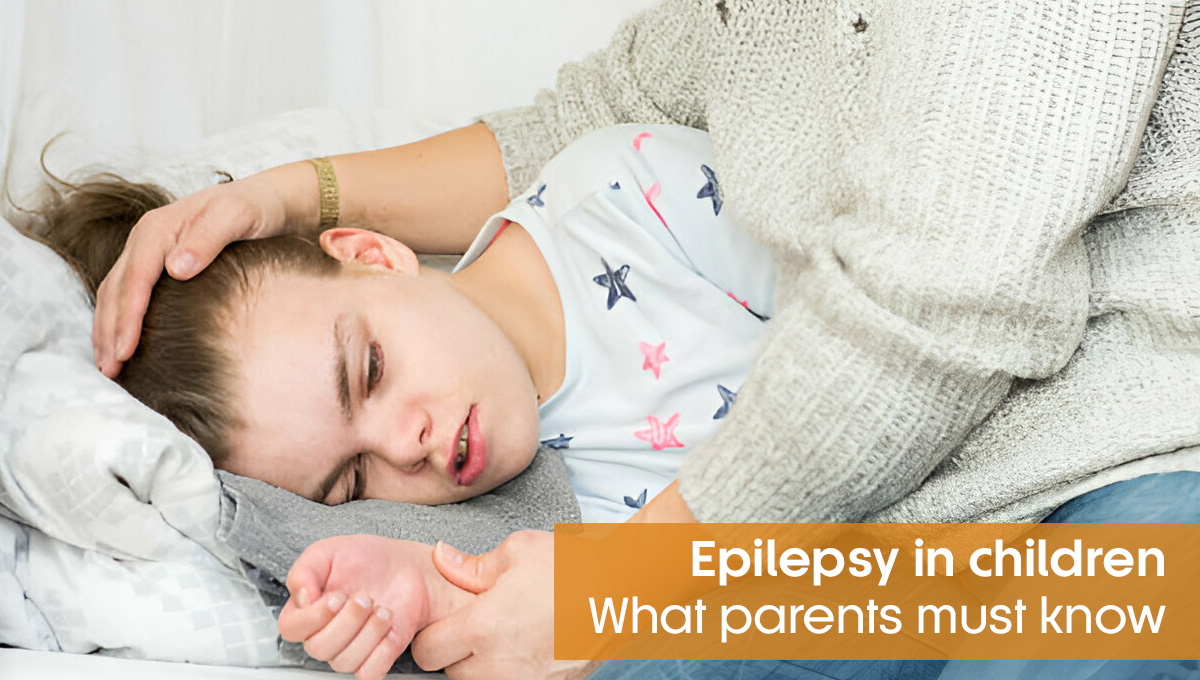
What does it mean when your child experiences uncontrolled muscular movements with their body shaking uncontrollably, loses consciousness or sometimes just keeps staring at nothing and appears confused?
These are indications that your child may be having a seizure. A sudden erratic electrical activity in the brain cells causes seizures and a brain condition called epilepsy may be causing it. Electricity passes between the brain cells and it helps the cells to communicate with each other. During a seizure, the electricity between the cells becomes erratic, disrupting the messages sent between the cells. The symptoms of seizure continue till the child’s brain can resend the correct message to the other brain cells.
Here are some key facts about pediatric epilepsy according to The World Health Organisation (WHO)
- Epilepsy is a chronic noncommunicable disease of the brain that affects people of all ages.
- Around 11 million kids under the age of 15 worldwide have epilepsy, making it one of the most common neurological diseases globally in kids.
- Fever remains the most common trigger of seizures while others are infections( meningitis or encephalitis), low blood sodium, certain medicines, complications during childbirth, genetic makeup, deformities in the brain, or a brain injury.
As a parent, it can feel very overwhelming and scary to learn that your kid has epilepsy and your mind may be flooded with questions about their future, normalcy, and what you can do to help them.
We understand your concern and therefore we did the deep digging for you to coagulate a guide that answers all your questions about the condition and next steps. Experts say thatwith the right knowledge, treatment, and help, epilepsy in children can be managed effectively enabling them to lead normal lives.
Types of epilepsy in children
- Absence epilepsy: During absence epilepsy the child experiences brief spells of disorientation and confusion, making them go blank and unable to respond if someone speaks to them.
- Rolandic epilepsy: This type of epilepsy affects 15 % of children and it usually happens while falling asleep or while waking up. It is characterized by uncontrolled movements on one side of the body and also affects the child’s speech.
- Juvenile myoclonic epilepsy: This kind of epilepsy causes twitching of muscles and jerking of arms and occurs when the child wakes up.
- Infantile spasms (West syndrome): Infantile spasms affect infants when they fall asleep or wake up making their body twitch and jerk, as well as bend and stretch uncontrollably. Each spasm lasts for a few seconds but comes back within short gaps.
- Lennox-Gastaut syndrome (LGS): This epilepsy causes the child’s muscles to stiffen up and relax suddenly. Additionally, the child also experiences moments of nonawareness and confusion and doesn’t respond when spoken to.
Signs and symptoms of epilepsy
Seizures don’t follow a pattern and can vary from child to child. Moreover, it can get challenging to recognize an episode of seizure in infants. Hence the best bet would be to consult a doctor if you notice any abnormal behaviour in your child.
However, the common signs and symptoms include
Loss of awareness.
Confusion and disorientation.
Staring blankly without responding.
Losing consciousness.
Sudden and uncontrolled muscle movements like twitching and jerking or repetitive body actions.
Loss of speech, smacking of lips, or making a chewing motion with the mouth.
Fast heart rate and breathing.
Changes in hearing, smell, vision, or taste.
Treating epilepsy
When you visit a doctor for evaluation they may conduct a physical exam to check your child’s vitals and learn more about your family and medical history. Next, they may do a neurological test to check if your child’s brain is functioning normally. Blood test may be recommended to detect any underlying medical condition followed by imaging tests to understand the brain’s electrical activity.
All these tests and examinations are important to rule out other medical conditions and help the doctor make the right diagnosis. Hence as a parent, you must be patient as these tests take time.
Treatment primarily consists of medications to treat the symptoms and frequency of the seizures. They help prevent disruptions and irregularities in the electrical impulses between the brain cells. The medicines may have a few side effects such as drowsiness, loss of appetite, Skin rashes, and an upset tummy. Some kids also face changes in the liver or bone marrow function.
If medicines don’t work surgery is advised to target the cause of epilepsy.
Sometimes the doctors may also recommend using implanted medical devices to help ease the symptoms by regulating the way the brain cells work.
In some children who have a difficult-to-manage kind of epilepsy, a ketogenic diet is suggested. The diet which is low in carbohydrates and high in fat is administered under medical supervision and helps in managing symptoms better.
Different children react differently to different treatment procedures and the doctor may take a while to decipher what works best for your child. This may mean trying different types of treatment along with different procedures and there is no reason to worry or go into panic mode.
With all the above-mentioned treatments about 60% of children outgrow epilepsy by the time they reach adulthood. The remaining may have to deal with the condition for the rest of their lives. However, most children live a relatively normal life as other kids and mostly don’t experience any changes in their development process as long as they take their medication.
What can you do as a parent?
- A child with epilepsy can feel embarrassed as their condition may make them feel like an outsider. This may affect their self-esteem and as a parent, it may be important for you to provide unconditional love and support and ensure that they speak to a counselor to find comfort if required.
- Make your child wear safety gear to protect them while they are outdoors or playing a sport. Hence they are safe when symptoms. Additionally, it may be vital to get your child supervised at all times and the caregivers or teachers must be briefed about your child’s condition so that they know what to do when a seizure occurs.
- Keep the bathroom door unlocked when your child is using it and instruct the rest of the family about your child’s need for privacy.
- Monitor your child especially when they are near water.
- Caring for a child isn’t easy and when the child has epilepsy it can get even more challenging. It is normal for you to feel frustrated, uncertain, and overwhelmed as a parent. Seeking emotional support by talking to a trusted person or a counselor may be a good way to process your feelings and get clarity in your thoughts. It may also help you to cope with the situation in a better way.