


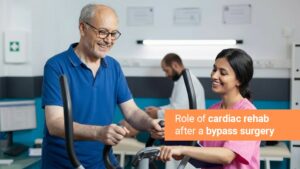
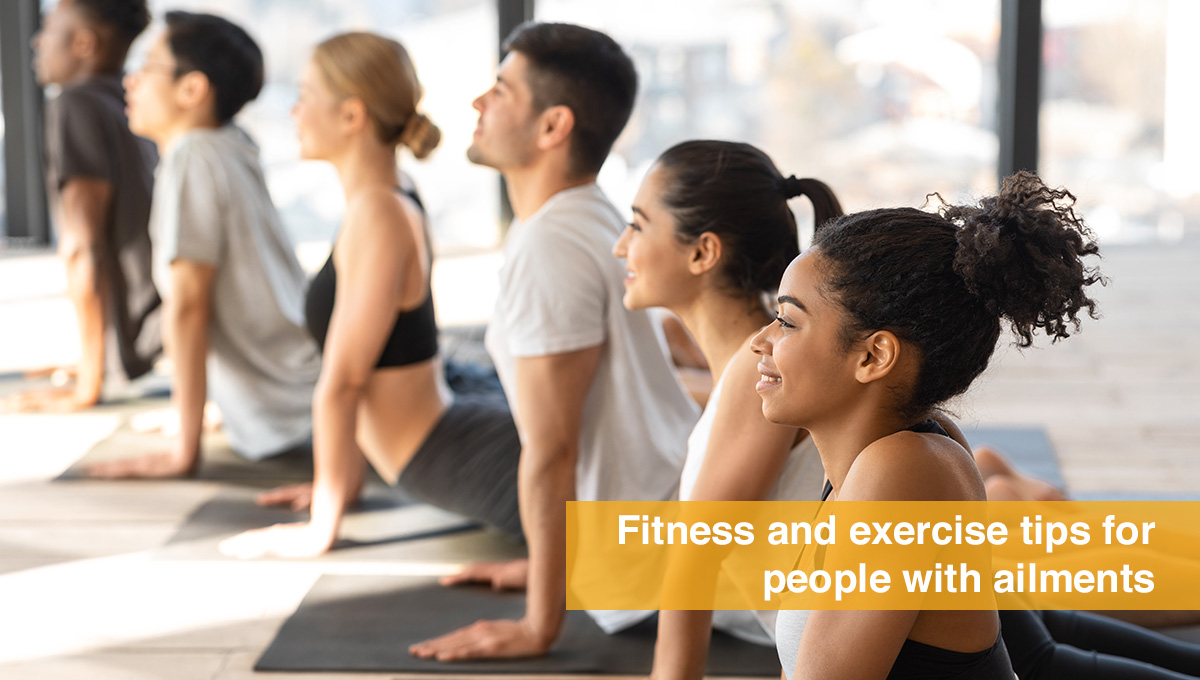
It can be quite difficult to live with a chronic ailment, however, if you work out and follow a fitness regime, then the standard of your life can improve. The reason why is that physical activity has been proven to be one of the most effective ways to address patients’ symptoms, improve their mood, and have a higher quality of life.
If you want to be able to fit exercise into your lifestyle no matter what condition you are dealing with, here is some advice that can help.
Consult Your Healthcare Provider
As with any program of activities related to exercise, it is necessary to consult with your doctor before starting training. They can give diagnostically accurate recommendations based on an individual’s medical history, present state, and perhaps, the medications being taken. It is recommended to consult with a physician to find out as to which kinds of movements and activities are permissible and which are not.
In the Context of Starting and Gradually Increasing the Exercise
Those with a chronic ailment should ideally listen to the body and start slowly. One should start exercising at a leisurely pace and as the body copes up, increase the exercise time and intensity. This way there is no harm caused to the body in the process and a person lets their body adjust to the new exercise regime.
Incorporation of Low-Impact Exercises
Aerobic exercises are mild on the joints and muscles and therefore recommended for people with certain chronic diseases like arthritis or osteoporosis. Some excellent low-impact exercises include:
- Walking: The best way, how to spend time with benefits. A person can walk through a park, or on a treadmill.
- Swimming: Allows a person to get a full body workout without having to tax the joints.
- Cycling: Cycling whether on a stationary bike or a regular bike is always a good activity for the heart.
- Yoga: Improves the pillars of strength; flexibility, balance plus strength together with Relaxation.
Strength Training
Strength training is critical in order to control muscle and bone tissue loss, which often happens when a person is getting old. In the case of chronic health issues, it is advised to pay attention to utilizing minimal loads or rubber bands.
Strength training exercises include:
- Bodyweight exercises: Basic movements such as squatting, lunges, and push-ups can be done depending on the person’s fitness.
- Resistance bands: These are useful in developing strength in such a way that no weight training is applied or recommended.
- Light dumbbells: Concerning the weights light ones can be used but as the days go by the person can slowly add more weights as the muscles develop.
Flexibility and Balance Exercises
Making muscles more pliant and maintaining the right body posture is beneficial to reduce the risks of falling and for better mobility. One can incorporate stretching exercises and balance activities into the routine. These include:
- Stretching: General stretching of body parts that have major muscles embracing each zone for 20-30 seconds.
- Tai Chi: A very light form of exercise used to enhance posture and rhythm through Movements.
- Balance exercises: Tying a shoe or balancing on one leg, one leg ahead of the other can help in increasing body balance.
Listening to the Body
For instance, it is imperative to be keen on being aware of physical feelings during exercises. Slight pain in muscles is expected if one begins a regimen for the first time but sharp pain, feeling of dizziness, or breathlessness are indications that one has to cease exercising and consult a doctor to alter the physical workouts to get relief from soreness and be safe.
- Plenty of Water and Healthy Foods
Consumption of appropriate food and regular intake of water are some of the critical factors that hold a lot of importance in everyone’s life. Stay adequately hydrated by drinking water before, during, and after activities that involve the use of energy is important. One should consume nutritious foods and avoid going to extremes with the diet to have enough strength for the workouts.
- Support System
It becomes easier to remain encouraged, and consistent in the execution of physical fitness by being affiliated with someone who can cheer and encourage. It may mean signing up at a fitness centre and attending an aerobics/dance class, looking for an exercise partner, or joining social networks/groups/forums dedicated to fitness.
- Realistic Goals
It is important to set appropriate and reasonable fitness objectives that can easily be achieved and also take cognizance of some of the physical constraints. It helps to be happy with the change made to the regime and to be patient with the process. Sometimes, it is only over time that one will experience these changes in the areas that pertain to strength, level of endurance, and other related factors.
- Mind-Body Practices
These exercises are useful in stress reduction and in improving mental health since they are forms of mind-body interventions. These practices can be done alongside the exercise regime or as an addition to other forms of exercise to enrich one’s well-being.
Physical activity is effective in the prevention and treatment of many chronic diseases and in enhancing the quality of people’s lives. Thus, by consulting a physician, going step by step, and using many exercises one can make the workout program safe and efficient. But one shouldn’t forget to pay attention to the body signals, drink enough water, and have someone to hear and motivate them. And with that comes the assurance of a much healthier and happier life.
What Are Your Thoughts?
Have there been certain movements, exercises, or suggestions that have been of use to you in dealing with chronic health issues? We would love to hear from you if you want to share your experience with us.