

In our blog on how smoking affects your body, we traveled within the body with the hypothetical cigarette smoke and described step by step what nicotine and tar did to each organ. We understood how the lungs were the most affected and how fatal their damage could be. But on the brighter side, we also mentioned how timely treatment could save these precious organs that help us breathe and help us bounce back to normalcy.
What is Respiratory Rehab?
When we speak of treatment for the lungs, the most crucial component is respiratory rehab.
Respiratory rehab or pulmonary rehab is a significant aspect of treatment that helps to save lungs from the damage of smoking and the toxicities present in the environment.
It has proven to be a lifesaver for people with lung issues such as Chronic Obstructive Pulmonary Disorder (COPD), Interstitial lung diseases, like sarcoidosis and pulmonary fibrosis, Asthma, Cystic fibrosis, Bronchiectasis, Pulmonary hypertension, lung cancer, and recovery from lung surgery. The treatment module helps people effectively manage their symptoms, complications, oxygen, and medicine intake.
Experts say that respiratory rehab helps people with lung diseases efficiently bounce back to their earlier lives before their lungs were affected. While the rehab program includes education, exercise regimes, breathing techniques, and dietary and psychological support, it also fosters a strong sense of community which motivates people to cooperate with the treatment process and overcome challenges.
Jamuna Awasty 69, a teacher from Bengaluru was diagnosed with COPD in May 2019. According to her, the rehab program helped her regain her normal breathing, made her feel good overall, and restored the most important factor in her life- hope.
How Respiratory Rehab Helps
Let’s look into the components of respiratory rehab and how it helps save the lungs.
1. Awareness and Education
Respiratory rehab begins with proper awareness and education as the treatment cannot be optimized without the cooperation of the person and their family. Hence it becomes the first step towards saving the lungs.
The education happens on three levels.
- Helping a person understand their medical condition, and the anatomy and physiology of their lungs.
- Explanation of the treatment module which includes where and how the treatment is targeted and the exercises included like breathing techniques, lifestyle changes, medication management, and nutritional modifications.
- Setting goals and milestones.
2. Exercise
This is the backbone of respiratory rehab. The right set of exercises guided by a certified and experienced respiratory therapist can improve muscle strength and the working of the heart, optimize energy levels, and help use oxygen in the best possible way. The therapists constantly monitor and guide the patients with the right techniques to enhance their breathing capacity and consequently their oxygen levels. The exercises are modified as per the person’s condition and capacity.
Some of the exercises are warm-up and cool-down, respiratory muscle training, endurance training, weight training, and neuromuscular electrical stimulation along with controlled breathing techniques, relaxation techniques, and different positions that relieve breathlessness.
Awasty, the teacher from Bengaluru shares that she never considered walking or any other exercise due to her breathlessness but now she walks, uses the treadmill, does chair yoga, and even uses weights.
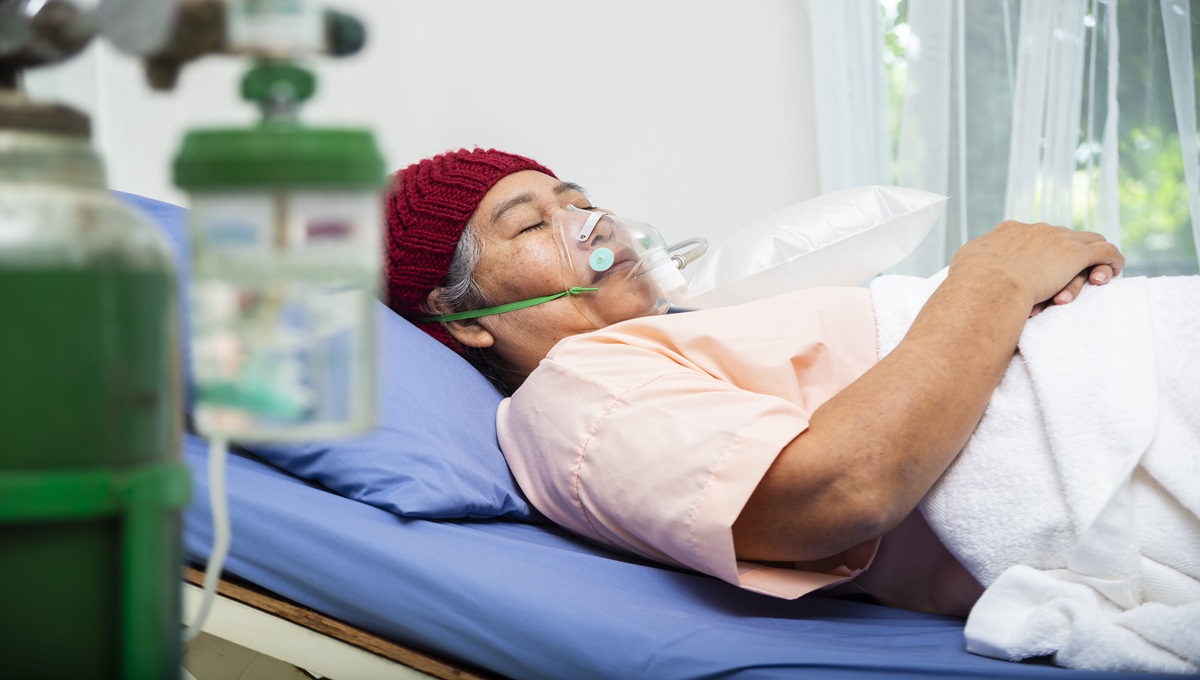
Experts say that in a respiratory rehab program, people are taught how to keep breathing issues in check and avoid supplementary oxygen. Additionally, guidance is provided on how and when to use their oxygen correctly to maximize quality of life.
3. Dietary support
Achieving and maintaining a healthy body weight is not only a crucial aspect of being healthy but also a very important part of lung health. Too much weight can increase breathlessness while less body weight can make the body vulnerable to various infections that can affect the lungs.
Dietitians say that for people with lung diseases, breathlessness can make eating very difficult hence planning a meal that is easily consumed by the person and is yet nutritious is very important. Depending on the lung condition, the expert gives suggestions and recommendations to help the person increase their muscle mass by consuming a certain amount of protein, restricting some foods, and eating smaller and more frequent meals. The dietitian may also teach some swallowing techniques.
4. Psychological support
Dealing with an illness is not a cakewalk. The medical condition can affect not only the body but the entire lifestyle of a person and can take a toll on their mental health. This may lead to anxiety, depression, and other emotional disturbances. Counseling plays a significant role and helping a person cope with their situation and also offers motivation as they go through the treatment process. As mentioned earlier, the sense of community also helps the person learn and get inspired by other people going through similar experiences.
5. Expert care
The respiratory rehab module ensures round-the-clock medical support from experienced doctors, nurses, therapists, and caregivers. This reduces the chance of mishaps and lets the person undergoing treatment have a seamless and smooth recovery and save their lungs.
Respiratory rehab can appear daunting, but given its numerous benefits, the most vital being to save your lungs and your life can shadow the apprehension of stepping out from the comfort of your routine and following the exercise and treatment routine to completion.