


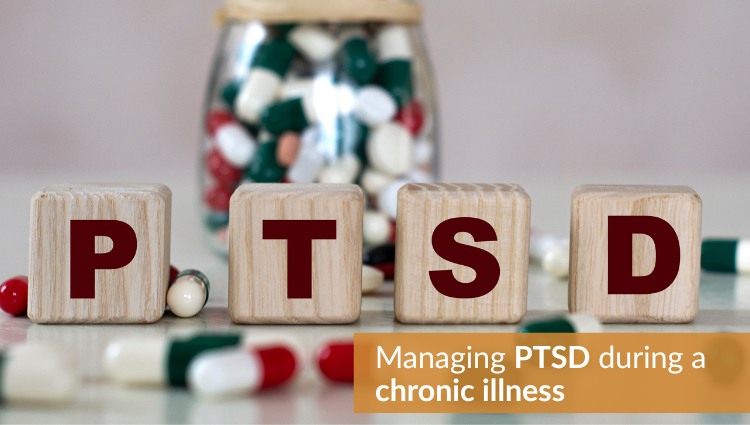
Post Traumatic Stress Disorder(PTSD) is real and so are its consequences, moreover during chronic illnesses which are a challenge in themselves.
When we talk about what is PTSD, it is re-living the trauma through intrusive thoughts, flashbacks, nightmares, distressing visions, and physical manifestations like pain, sweating, feeling uneasy, or trembling. People have continuous negative thoughts about what they have gone through that prevent them from coming to terms with the event like why did this happen to me? What could I have done to avoid it? etc.
Here are some alarming stats. According to ‘Psychology Today’- the largest media enterprise devoted to covering human behavior and mental health, It’s estimated that 12 to 25 percent of people who experience life-threatening illness develop medically-induced PTSD.
Why does this happen?
The answer is provided by a very interesting paper by Edmonton psychologists released in 2014. It says, ‘Most traumas come from the external environment: a natural disaster, an attacker, a war. Medical trauma comes from within. Our bodies are the source of danger, and, as such, it can seem that a safe haven is not available to us as there is a prevalence of shock, disbelief, terror, and heightened anxiety about the future. Perhaps most salient is the changed understanding of our vulnerability to pain, suffering, and death. Our previous worldview — in which the world and our place in it were things we understood — has been shattered by illness, and our perception of safety has been altered irrevocably.’
Most people with chronic illnesses, re-experience the sudden trauma of an unpleasant diagnosis, interactions they had with the doctors, and their visits to the hospitals. So much so that even when they drive past a hospital or a clinic they experience panic at the thoughts of the medical treatment or the procedures they underwent. Some may be adversely affected due to a botched-up procedure, an unsympathetic doctor or nurse, or the presence of pain during their course of treatment or hospital stay while there may be others who have unprocessed fragments of a terrifying memory or a physical disability.
Dealing with PTSD in chronic illness
It is necessary to mention that PTSD provokes crucial health effects such as decreasing mental, emotional, and physical quality of life. It brings about some neurobiological alterations that bring about inflammation in the body and damage the body. Furthermore, people experiencing PTSD can hamper their medical treatment by avoiding medications, skipping appointments, or making the necessary modifications to their lifestyle. Hence managing PTSD during chronic illness becomes very crucial. The idea is to reach out.
This is how.
1- Seeking professional help
Psychotherapists provide multiple therapies that include:
Cognitive Behavioural Therapy (CBT)- Helps people develop coping skills and train them to alter their thinking, disturbing emotions, and negative behavior.
Narrative Exposure Therapy (NET)- Helps in reducing the re-experiencing of symptoms and supports people in building a positive narrative of the illness experience by processing the fragmented and recurrent flashbacks and integrating them into their lives
Eye movement Desensitization and Reprocessing (EMDR)- It is also known as talk therapy and helps in processing disturbing memories, thoughts, and negative feelings associated with trauma to get relief from PTSD symptoms.
Mindfulness-based stress reduction (MBSR)- Helps in reducing anxiety and depression.
Along with getting professional psychological help it also pays to get medical help through physical therapists, nutritionists, etc who enable physical healing that aids in emotional well-being.
2-Changing the daily routine
Individuals can make adjustments to their everyday lives by incorporating a small amount of exercise, meditation, meeting more people they love, doing a hobby, going somewhere new, or getting a pet. This assists individuals to regain control of their lives and feel better and inspired.
3-Getting support
Participation in support groups or communities may also help individuals manage their emotions such as anger, shame, guilt, and fear much better. It can make them share with others, discuss their experience with those who can relate to them well, and also get to learn through the experiences of other people.