
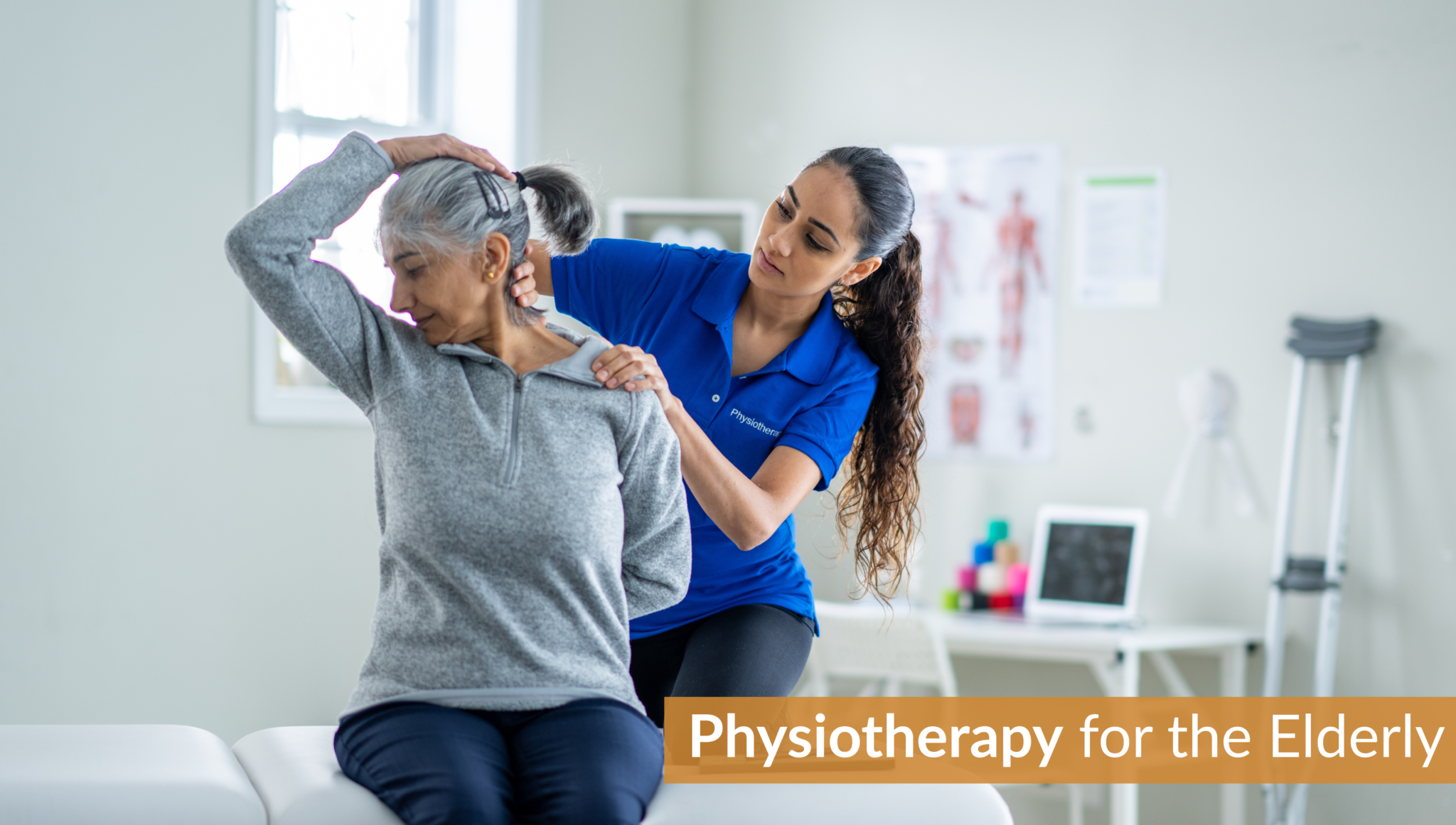
We generally associate and accept the presence of aches, pains, and mobility limitations with aging. However, it doesn’t have to be that way. With physiotherapy for the elderly, they can enjoy a healthy, hassle-free independent life without these blockers. Therapy is a fundamental component of geriatric physical wellness and has been instrumental in enhancing health results in aged persons in particular those afflicted by frailness, arthritis frequent falls in addition to stroke. It provides targeted therapies for orthopedic, neurological, and cardio-respiratory conditions.
Physiotherapy for the elderly operates on three core principles:
- It plays a key role in helping people use their body systems for optimum mobility and independence.
- If improvement or maintenance of mobility is not possible, then physiotherapy contributes to enabling senior people to live a comfortable life.
- The therapy helps in preventing the development of further health complications with the introduction of healthy exercise routines.
Let’s explore its multiple benefits for older people.
How does physiotherapy benefit the elderly
1. Mobility- The first noticeable symptom that old age brings with it is reduced mobility. It is because as people grow older their joints stiffen and muscles lose their force and impede free movement. A physiotherapist who is experienced and talented can help them by developing their individualized therapy program including: an overall status evaluation and working on one’s weaknesses or stiffnesses, so as to enhance range of motion. This is a blessing for oldies who want a busy life.
2. Pain Management- Most elders suffer from chronic pain in the limbs, back, etc. They also grapple with pain conditions like arthritis that affect their quality of life considerably. Physiotherapy uses manual therapy, soft tissue release, posture alignment, laser therapy, and acupuncture that help relieve pain and physiotherapists train seniors how to do certain exercises to prevent the pain from increasing.
3. Fall Prevention- Falls are the most common hazard of old age leading to fractures and other serious injuries. Physiotherapy includes a thorough assessment of the person with their risk level of falling and designing a tailor-made module that enhances balance, gait, and overall coordination. This is done by strengthening the core muscles and practicing appropriate gait techniques.
4. Improved Mental Health- Reduced mobility, independence, and constant pain can take a toll on the mental health of the aging person and cause anxiety and depression. Opting for physiotherapy significantly improves physical health and paves the way for more social interaction, independence, and functionality. Research has shown that elders who are a part of regular exercise sessions feel happier, more energetic, and less lonely.
5. Enhanced Quality of Living- Happier people feel more confident and have a greater sense of fulfillment and achievement. They lead lives with more positivity and conviction and most importantly are in complete charge of their lives. This is priceless for senior people dealing with isolation.
Elderly physiotherapy can be conducted in the comfort of their homes, at a continuum care rehabilitation center, or in a hospital. Together with experienced physiotherapists, the family members also play an important role in the whole process. Their assistance in making sure that the elder person follows the exercises prescribed can ensure that the person has an even and safe experience as he or she journeys back to recovery.
What to expect during the physiotherapy process for the elderly
- The first step is a detailed assessment of the person which includes their medical history, their medications, their level of immobility, pain, muscle strength, and their overall physical health. This comprehensive assessment is conducted by the medical team and helps the physiotherapists craft a personalized treatment program for the person.
- Step two is the goal setting. Depending on the health and the severity of the condition, the physiotherapists set certain milestones and treatment goals for the person. These could be either, performing daily tasks independently or gaining more mobility, reducing pain, improving flexibility, or even preventing falls.
- Next is the treatment that includes stretching exercises that facilitate good alignment and mobility of joints, endurance training to keep the lungs and heart healthy and improve blood circulation, an exercise routine to maintain stability while
walking, standing, etc., and lower body exercises for body strength and reduce pain.
- The process also involves teaching senior people and their family members, or caregivers, how to make some specific differential changes to their lifestyle in the direction of diet, habits, physical activities. The education includes how to avoid falls, compensate to fatigue, and how to use assistive devices such as; canes, walkers, and wheelchairs.
- There is continuous tracking of the person’s progress and whether the goals are being fulfilled. If the individual is not demonstrating progress which is desirable then there is a reassessment or recreation of the treatment plan for best results.
In conclusion, physiotherapy for the old should not be treated as a luxury or optional treatment. The therapy is essential in making older people perform their daily activities more effectively and independently and lead happier lives.